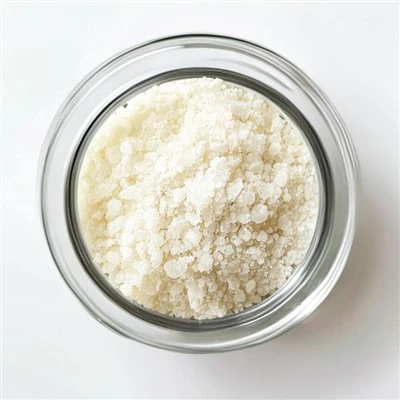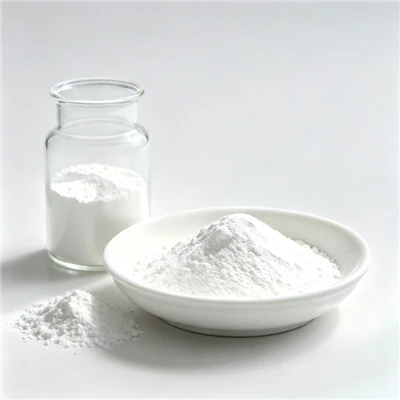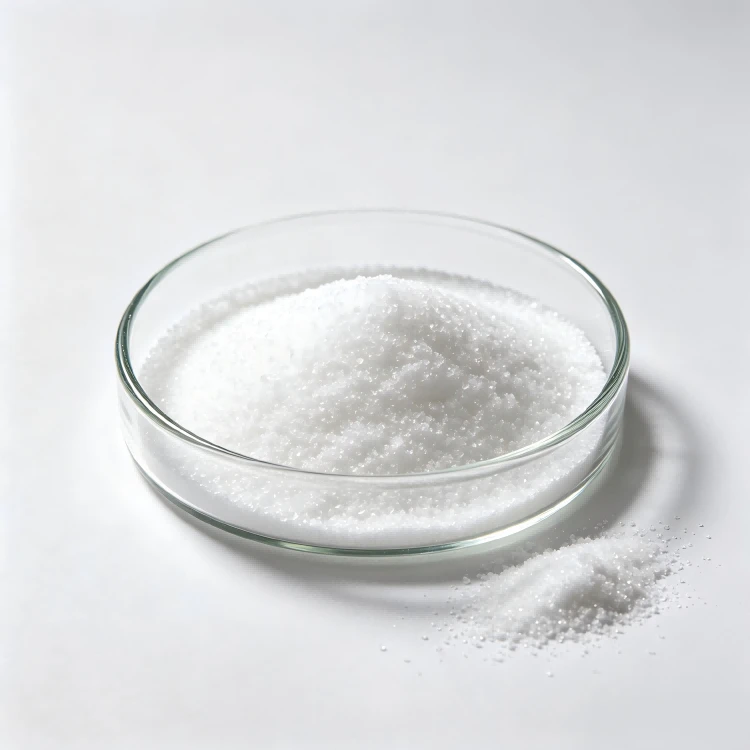
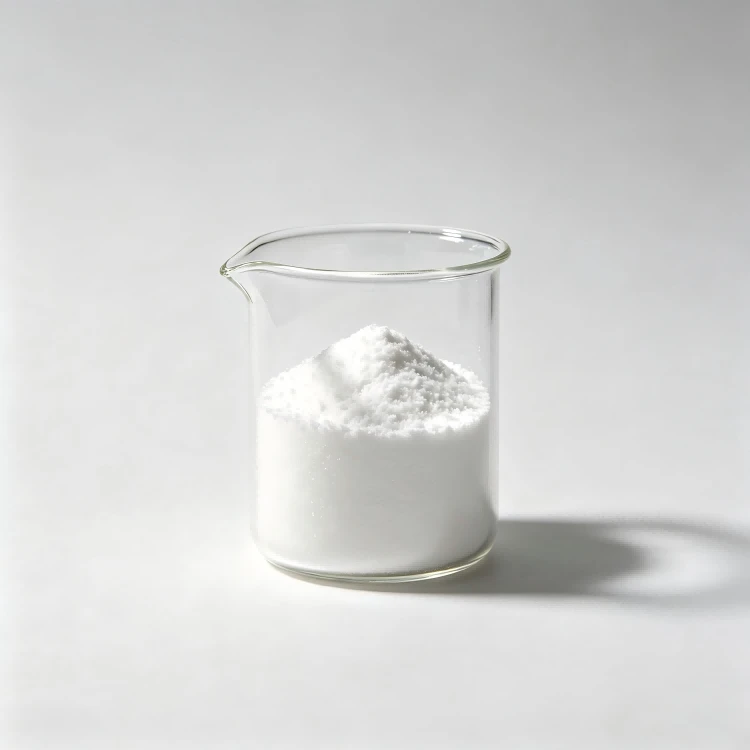
Shanghai Dingwujin Chemical Co., Ltd. is one of the leading manufacturers and suppliers of glycine in China. We are committed to the chemical distribution across Central & Eastern Europe and Ukraine. We warmly welcome you to wholesale customized glycine made in China here from our factory.
Glycine
Introduction
Characteristics
|
Molar Weight |
75.067 g/mol |
|
Melting Point |
233 °C |
|
Flash Point |
176.67 °C |
|
Density |
1.61 g/cm3 |
|
Forms |
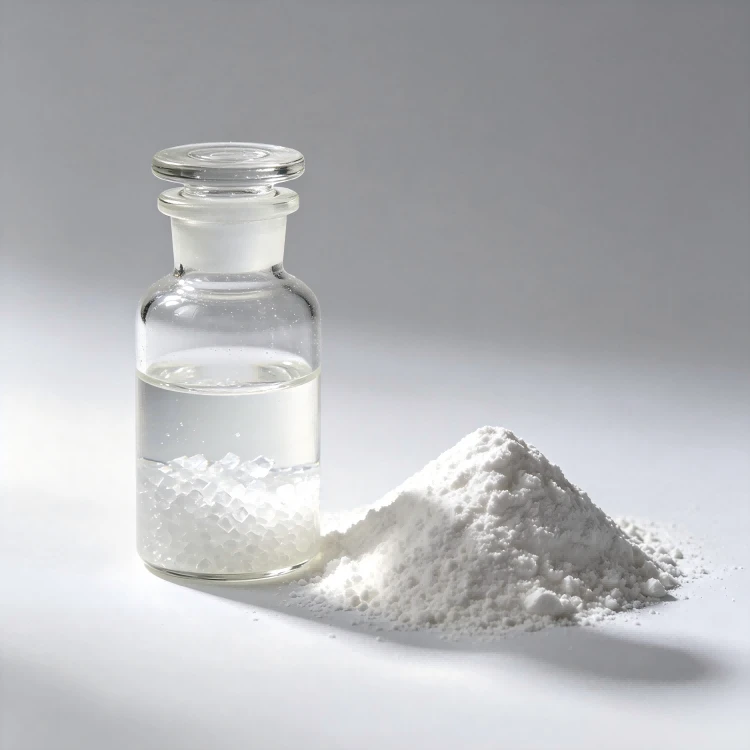
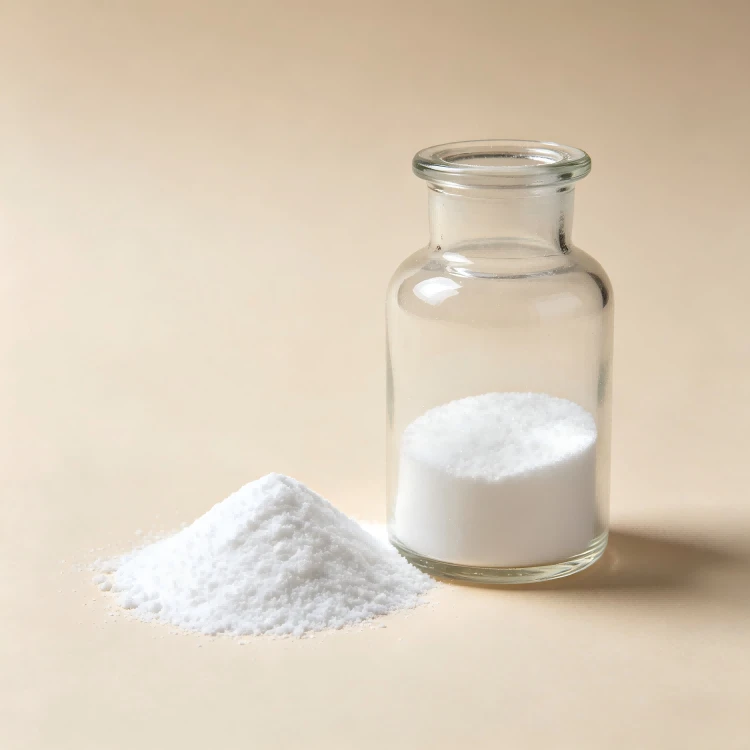
Crystals, Powder, White / Crystalline, Solid |
Product Grades
Pharmaceutical Grade
Content: 98.5%–99%. Subject to stringent impurity limits, including heavy metals, arsenic, chlorides, and loss on drying. Intended for use as a pharmaceutical raw material or in amino acid injection formulations.
Food Grade
Content: ≥98.5%-99%. Used as a nutritional supplement, flavouring agent, or sweetener. Complies with national food safety standards, with strict controls on harmful elements such as lead and arsenic.
Feed Grade
Content: ≥98.5% , or in accordance with applicable industry standards. Primarily employed as an animal feed additive to enhance nutritional value.
Industrial/ Reagent Grade
Content: ≥ 90% – 95%. Laboratory or electrophoretic grade (AR): up to ≥ 99.0% – 99.5%. Applied in electroplating, organic synthesis, or as an industrial raw material.
Standard stock items are industrial grade. For special-grade orders, please contact us for full documentation.
Uses and Applications
Key applications
- Food Additive
- Nutritional Supplements
- Flavouring Agent
- Agricultural
- Pharmaceuticals
- Personal Care
- Animal Feed
- Soaps and Detergents
- Beauty Products
Industries
- Beauty & Personal Care
- Pharma
- Mining
- Food & Nutrition
- Animal Nutrition
Glycine Used in the Pesticide Industry
Glycine serves as a key raw material in the synthesis of the broad-spectrum herbicide glyphosate, which accounts for the consumption of the majority of global glycine production capacity.


Glycine Used in the Pharmaceutical Industry
● Clinical Formulations: Glycine is an ingredient applied in amino acid infusions and total parenteral nutrition formulations.
● Neuromodulation: Glycine acts as an inhibitory neurotransmitter involved in regulating central nervous system excitability.
● Metabolic Support: Glycine takes part in glutathione synthesis and is involved in collagen formation and tissue-related biochemical processes.
Glycine Used in the Food Industry
● Flavor Enhancement: Glycine has a distinctive sweet and umami taste. It is commonly used together with monosodium glutamate (MSG) to optimize the flavor of beverages, meat products and baked goods.
● Preservation and Anti-spoilage: Glycine has certain antimicrobial effects, helping extend the shelf life of meat, dairy and other easily deteriorated food. It can also function as a stabilizer to avoid precipitation of ingredients.


Glycine Used in the Feed Processing Industry
Glycine supplements essential amino acids in animals, improves feed conversion efficiency, promotes growth and development in livestock and poultry, and enhances meat quality.
Glycine Used in the Cosmetic Industry
Glycine serves as a raw material for manufacturing amino-acid-based surfactants including potassium cocoyl glycinate. These surfactants are widely applied in facial cleansers and shampoos.


Glycine Used in the Electroplating Industry
Glycine is used as an additive in electroplating baths to optimize coating luster, and also serves as a pH buffering agent in biochemical experiments.
Glycine Used in the Agriculture
Foliar application of glycine promotes photosynthesis in crops, enhances stress resistance (e.g., drought and salt tolerance), and improves both yield and quality.


Glycine Used in the Laboratory
High-purity or isotopically labeled glycine (e.g., 15N-glycine) is used as a tracer in life science research.