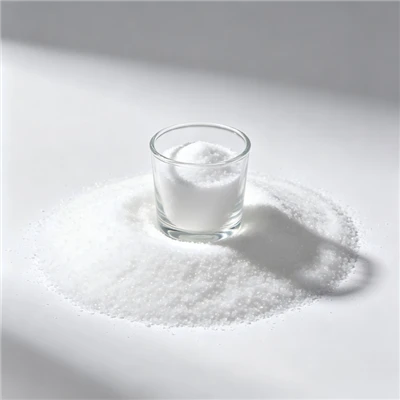
In the flocculation and sedimentation treatment engineering of mine wastewater, aluminium sulfate serves as the core coagulant. In inspection reports and technical specifications for European water treatment chemicals, although the chemical is supplied as aluminium sulfate, the inspected components and technical specifications list alumina (aluminium oxide). This wording is not due to impurities in the product; rather, it is a unified effective-component conversion standard adopted by the international water treatment industry.
1. Alumina as the Universal Metric for Aluminum-Based Coagulants
The core substance that enables aluminium sulfate to perform flocculation in water is the aluminium ion. Various types of aluminium-based coagulants are used in actual engineering, including aluminium sulfate, polyaluminium chloride, and alum, each with different molecular structures and numbers of crystal water molecules. If their contents were labeled based on their respective molecular formulas, it would be impossible to horizontally compare the effective component levels across different products.
Therefore, the industry uniformly converts the active aluminium in aluminium salt products into the stable oxide form, expressing it as the mass fraction of alumina (Al₂O₃). This convention has been written into standards in various countries. Wastewater treatment chemicals follow the EN series standard system (e.g., EN 878 for drinking water treatment). In European engineering practice, "Alumina (Al₂O₃) content" is the statutory expression for measuring the effective component of aluminium sulfate. When designing dosages, engineers directly calculate commercial chemical usage based on the target Al₂O₃ dosage concentration.
2. Analytical Methods Dictate Reporting in Terms of Alumina
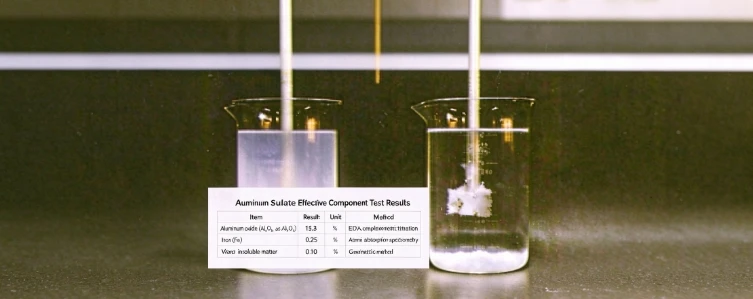
From the perspective of laboratory testing, the EDTA complexometric titration method is used to determine the effective component of aluminium sulfate. This method measures the molar number of total aluminium ions in the sample and then converts it into the mass of alumina according to the stoichiometric relationship (2 mol Al ≡ 1 mol Al₂O₃). The alumina content listed in the inspection report is essentially an aluminium equivalent expressed as Al₂O₃, determined by the inspection method itself, rather than a manually added substance.
3. The Three Levels of Technical Specifications
The technical specifications for coagulants in mine wastewater flocculation and sedimentation treatment typically require Al₂O₃ ≥ 15.8%. Its functions focus on three levels:
- Locking in Effective Flocculation Components: Ensuring that each ton of chemical contains sufficient aluminium elements capable of hydrolyzing to generate aluminium hydroxide flocs, thereby guaranteeing the removal efficiency of heavy metals and suspended solids in mine wastewater.
- Unifying Pricing Standards: Preventing distorted price comparisons caused by differences in crystal water. The theoretical Al₂O₃ content of aluminium sulfate octadecahydrate is only about 15.3%; using Al₂O₃ as the benchmark allows products in different forms to be calculated on the same basis.
- Providing Basis for Process Calculations: This value is the universal foundation for dosage calculation and can be directly used for parameter setting in automated dosing systems.
It should be noted that the Al₂O₃ content is a conversion indicator for effective components, not the formulation composition of the product. This value is converted from the total aluminium measured by EDTA complexometric titration, reflecting the amount of aluminium per unit of chemical that can participate in the flocculation reaction. Taking industrial alumina powder used for refractory materials as an example, its water solubility is very low; it cannot provide aluminium ions through hydrolysis. Adulterating it would neither improve flocculation effects nor pass factory quality inspections. Mass fraction conversion is quite common in water treatment chemicals; besides aluminium salts being calculated as Al₂O₃, iron salt coagulants are usually labeled by Fe₂O₃ content, and disinfection chemicals also have their respective equivalent standards.
Specifying alumina ≥ 15.8% in technical documents constrains the effective aluminium per unit of chemical that can participate in the flocculation reaction. Whether reviewing factory quality inspection reports or explaining technical indicators to customers, the judgment basis remains the same set of conversion relationships.