Shanghai Dingwujin Chemical Co., Ltd. is a reliable supplier of Oxalic Acid | Water System Cleaning, New Stock, Chinese GB Standard, 25kg/Bag, DDP, COA, SDS, GPP, Inv. in China. We cooperate with qualified Chinese factories and focus on chemical distribution to Central Europe, Eastern Europe and Ukraine. We welcome inquiries for wholesale and custom-spec Oxalic Acid | Water System Cleaning, New Stock, Chinese GB Standard, 25kg/Bag, DDP, COA, SDS, GPP, Inv. manufactured in China.
Product Overview
This product is industrial-grade oxalic acid, mainly used for water supply system cleaning and metal surface treatment. All parameters are controlled in accordance with technical specifications for water treatment applications, and a COA is provided for each batch.
Product Features
|
Parameter |
Value |
Practical Significance |
|
CAS |
144-62-7 |
Unique substance identifier |
|
EC |
205-634-3 |
Refer to the accompanying SDS |
|
CLP/REACH |
- |
Required for customs declaration and safety documentation |
|
UN |
UN3261 |
Class 8, Packing Group III; determines transport mode, packaging grade and carrier qualification requirements |
|
Molecular Formula |
C₂H₂O₄ |
Anhydrous, no crystal water |
|
Molar Mass |
90.03 g/mol |
Used for dosing calculation |
|
Appearance |
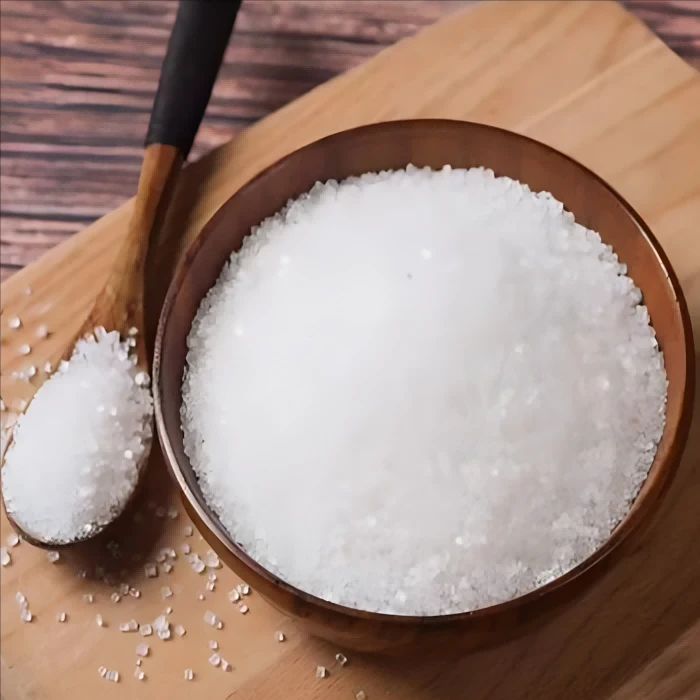
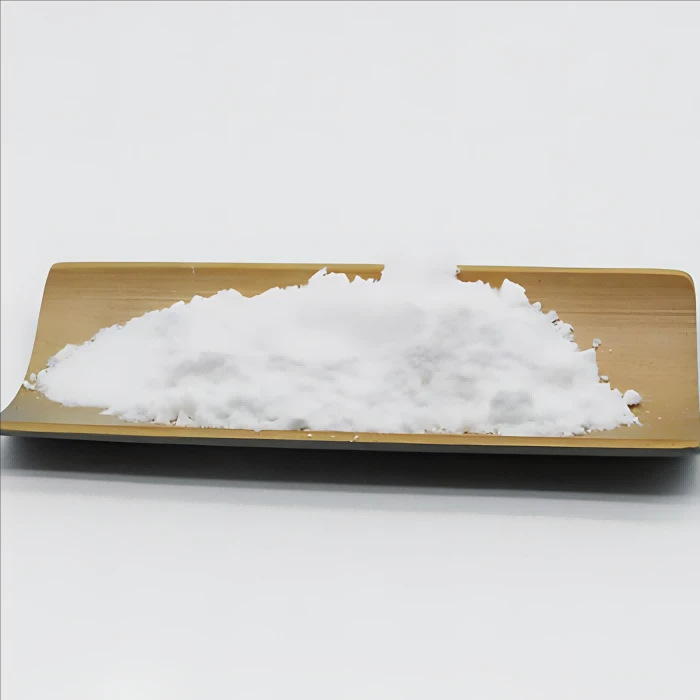
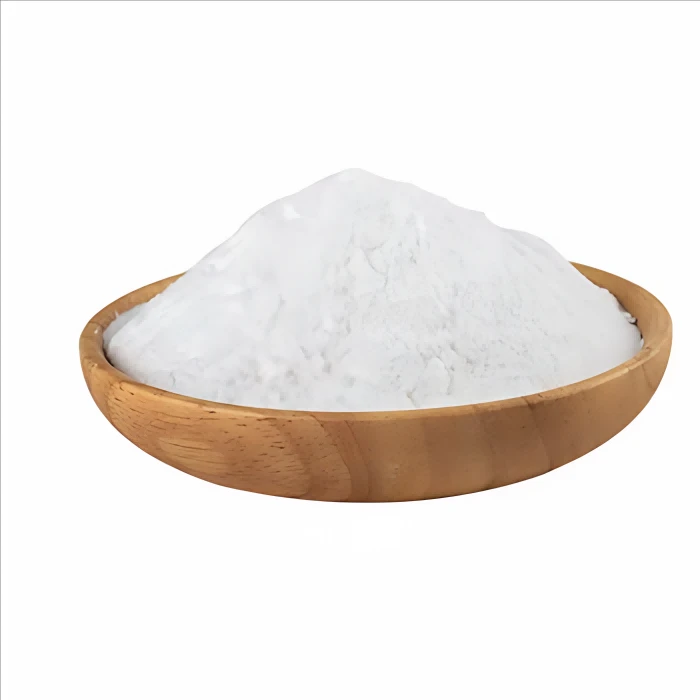
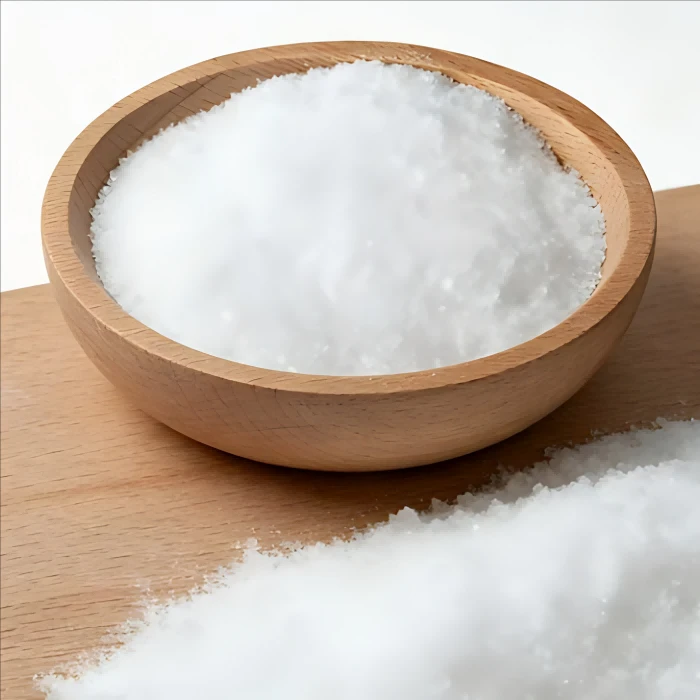
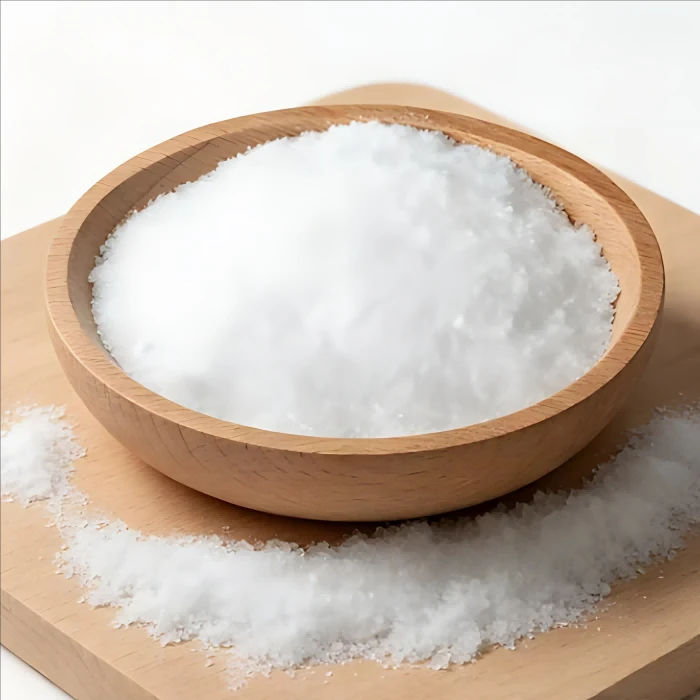
White crystalline solid |
Hygroscopic, highly soluble in water. Must be hermetically sealed; use immediately after opening |
|
Assay |
99.5%–99.8% |
Sufficient free oxalate ions for fast chelation reaction; no residual film after precision equipment cleaning |
|
True Density |
1.90 g/cm³ |
For equipment volume and sediment volume calculation |
|
Bulk Density |
1.36–1.65 g/cm³ |
For packaging specification, warehousing and container loading estimation |
|
Chloride (Cl⁻) |
< 0.0005% (5 ppm) |
Extremely low chloride content, greatly reducing the risk of pitting corrosion and intergranular corrosion of stainless steel |
|
Iron (Fe) |
0.0001% (1 ppm) |
Prevent oxidation of iron residues, avoiding workpiece rusting and stone yellowing |
|
Sulfate (SO₄²⁻) |
< 0.005% (50 ppm) |
Prevent micro-soluble calcium sulfate scaling in calcium-containing water systems and maintain smooth circulation |
|
Heavy Metals (as Pb) |
< 0.0001% (1 ppm) |
Reduce co-precipitation to obtain rare earth products of higher purity |
|
Calcium (Ca) |
0.0001% (1 ppm) |
Suitable for high-purity rare earth extraction processes |
|
Ignition Residue |
≤ 0.009% |
Low inorganic residue; little insoluble powder after cleaning, low interference with electroplating and coating |
|
GB/T 1626-2008, the Chinese national standard for oxalic acid: This standard was issued by the General Administration of Quality Supervision, Inspection and Quarantine of the People's Republic of China on June 4, 2008, and specifies the technical requirements for industrial-grade oxalic acid. |
||
Industrial Applications
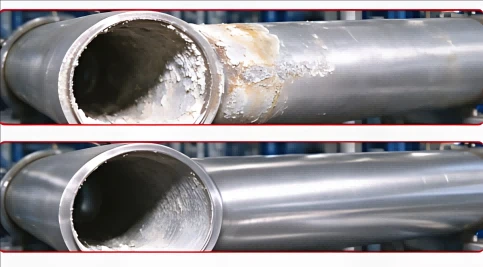
- Water Supply and Heat Exchange System Cleaning – Leveraging its chelating and dissolving properties to remove scale and rust deposits from equipment, heat exchangers and pipelines.
- Metal Surface Treatment – Eliminate mill scale and corrosion products on steel and hardware components to provide a clean substrate for subsequent processing and coating.
- Stone Cleaning and Maintenance – Remove rust stains and yellow discoloration on marble and ceramic tiles, including cement residues and water rust.
- Raw Material for Chemical Synthesis – A base material for various oxalates, as well as an intermediate for pharmaceutical and dye synthesis.
- Rare Earth Separation and Purification – Used as a precipitant for rare earth precipitation, separation and enrichment. The anhydrous grade features higher active ingredient content per unit mass, cutting freight and batching costs.
- Textile and Leather Processing – Functions as a bleaching agent and mordant auxiliary.
- Auxiliary Water Treatment – Chelate heavy metal ions in water.
Material Compatibility
|
Rating |
Material |
Notes |
|
Compatible |
300 / 400 series stainless steel |
Low chloride ion content reduces the risk of pitting corrosion; verification is still required for high temperature, high acidity and prolonged immersion. |
|
Compatible |
Carbon steel and cast iron |
Suitable for routine rust removal; control concentration and time, and rinse with water promptly after treatment. |
|
Compatible |
Ceramics, granite |
Suitable for rust removal and yellow-stain removal. |
|
Compatible |
Glass, PP, PVC, PTFE |
Resistant to oxalic acid solution corrosion. |
|
⚠To be evaluated |
Carbon steel under high temperature and high concentration conditions |
Uniform corrosion may occur upon prolonged immersion |
|
⚠To be evaluated |
Galvanized and aluminized parts |
Reacts with zinc and aluminum coatings; local small-scale test is required |
|
×Not recommended |
Aluminum, magnesium and their alloys |
Hydrogen gas will be released, causing severe corrosion of the substrate |
|
×Not recommended |
Brass and bronze |
Surface discoloration and corrosion will occur |
Packaging and Delivery
|
Item |
Details (EN) |
|
Packaging |
25 kg sealed bags with tamper-evident closure; product information, the GHS corrosive label and the UN number are printed on each bag; EPAL pallets optional, 40 bags per pallet.
|
|
Transport
|
Class 8 dangerous goods, handled in accordance with ADR/RID by licensed carriers; shipped from the Poland warehouse and delivered to the designated warehouse within 10 calendar days after order confirmation; any loss or damage to the cargo in transit shall be borne by us; protected against rain and moisture; must never be stowed together with oxidizers, alkalis or foodstuffs. |
|
Storage
|
Dry, ventilated and closed warehouse, away from heat sources; packaging to remain sealed. |
|
Supply
|
Minimum order quantity 1 pallet (1,000 kg); full-container loads and long-term quotas available; capacity 500 tonnes per month. |
|
Warranty
|
Remaining shelf life at delivery not less than 80% of the total shelf life; quality defects replaced free of charge within 30 calendar days in accordance with the contract. |
Safety Information
Hazard Statements
- H314 Causes severe skin burns and eye damage

- H302 Harmful if swallowed
- H312 Harmful in contact with skin
- H402 Harmful to aquatic life
Precautionary Statements
- P264 Wash thoroughly after handling.
- P270 Do not eat, drink or smoke when using this product.
- P273 Avoid release to the environment.
- P280 Wear protective gloves, protective clothing and eye/face protection. P301+P312+P330 IF SWALLOWED: Rinse mouth. Call a poison center or doctor if you feel unwell.
- P302+P352+P312 IF ON SKIN: Wash with plenty of soap and water. Call a poison center or doctor if you feel unwell.
- P501 Dispose of contents and container in accordance with local, regional, national and international regulations.
GHS Classification
- Skin Corrosion / Irritation: Category 1B (H314)
- Acute Toxicity (Oral): Category 4 (H302)
- Acute Toxicity (Dermal): Category 4 (H312)
- Hazardous to the Aquatic Environment, Acute Hazard: Category 3 (H402)
- Transport hazard class: Class 8, Packing Group III

On-Site Troubleshooting
|
Site Issue |
Technical Explanation |
Recommended Action |
|
Molecular weight does not match the bid document or the lab report |
Anhydrous 90.03 vs dihydrate 126.07 - a difference of two molecules of water of crystallisation, so the same assay figure represents a different amount of effective oxalic acid. |
Always convert to a dry basis. This product is anhydrous, ≥99.5%, so COA values can be used directly. |
|
Why chloride and iron must be strictly controlled |
Chloride ions destroy the passive film on stainless steel and initiate pitting; residual iron re-oxidises after pickling, causing flash rust and yellowing of stone. |
Cl < 5 ppm and Fe < 1 ppm remove the trigger at source. |
|
How to trial-wash parts of unknown material |
Aluminium and magnesium alloys react violently with oxalic acid and release hydrogen; acid resistance varies greatly between metals. |
Take a small sample of the same material or a test coupon and test it at the actual concentration, temperature and contact time. |
|
Strong exothermic dissolution, difficult to dose |
The anhydrous grade contains no water of crystallisation, so heat release is more concentrated than with the dihydrate; dumping in a whole bag causes a local surge in concentration and temperature. |
Add in batches with agitation; dissolve first, then feed into the circuit. |
|
Moisture absorption, caking and falling assay |
Moisture entering the package re-forms dihydrate crystals, which lowers the dry-basis assay and causes caking. |
Use immediately after opening and reseal leftovers; store off the floor; re-test caked material before use. |
|
Low temperature or prolonged circulation |
Solubility falls at low temperature and crystals may precipitate; high temperature or over-long immersion accelerates uniform corrosion of carbon steel. |
In winter, lower the concentration or control the temperature; clean stainless steel at ambient temperature for 4–8 h; re-evaluate above 60 °C. |
|
How to handle spent cleaning solution |
Acidic wastewater containing calcium, magnesium and iron; direct discharge causes pollution. |
Neutralise with lime or sodium hydroxide to pH 6–9, precipitate the heavy metals, then discharge. |
Mandatory Requirements for Scale Removal in Water Treatment Plants:
|
No. |
Key Point |
Practical Requirements |
Key Parameters / Standards |
|
1 |
Identify scale type before chemical selection |
• Oxalic acid is highly effective at dissolving rust and metal oxide scale |
Scale check: rust / oxide scale → oxalic acid; carbonate scale → citric acid |
|
2 |
Control concentration, temperature and contact time |
• Effect is not proportional to concentration: 1%–5% is sufficient in practice, while higher levels damage substrates and waste chemical |
Concentration 1%–5%; 20–60 °C; plate heat exchanger ≤4% / ~60 °C; RO 2% / pH 2–4; membrane cleaning per GB/T 23954-2009 |
|
3 |
Safeguard the bottom line of drinking water safety |
• Chemical treatment agents must not contaminate drinking water |
GB/T 17218-2025 (effective 1 March 2026); limits ≤ 10% of GB 5749; GB 50268-2008 |
|
4 |
Implement personnel protection and observe the two prohibitions |
• Ventilate the site; wear acid- and alkali-resistant gloves, goggles and protective clothing; never handle the chemical with bare hands |
Flush ≥15 min (skin) / 10–15 min (eyes); dosing order acid into water; zero mixing with chlorine disinfectants |
|
5 |
Treat waste liquor by 'collection – neutralisation – precipitation – separation – degradation – compliance' |
• Dose according to system volume and run closed-loop circulation to cut waste |
6 steps: collect / neutralise / precipitate / separate / degrade / comply; discharge at pH 6–9 |
|
Principle |
At the production end, look at whether the process is clean and the treatment chain closed-loop; at the user end, look at selecting the right scale type, controlling the parameters, holding the sanitary red line and managing the waste liquor. Environmentally responsible operations are usually the most economical ones as well. |
||
FAQ
Q: Can you offer competitively priced quotations?
A: Yes. Backed by stable supply capacity and consistent product quality, we can provide market-competitive quotations based on your selected product grade, purchase volume and long-term cooperation plan. Tiered discounts are available according to order quantity. All batches are strictly controlled to meet specifications for purity, moisture content, metallic impurities and other indicators. Feel free to send an inquiry for an official quotation.
Q: What is your ordering process?
A: The standard procedure is as follows:
1.Inquiry & Evaluation: The customer specifies the specifications (purity, packaging) and destination.
2.Sampling & Testing: Samples are sent overseas for physicochemical and electrochemical performance tests.
3.Contracting & Payment: Sign a long-term framework agreement or spot contract. T/T or L/C are the commonly adopted payment terms.
4.Production Arrangement: Schedule production and apply for the export licence for dual-use items concurrently.
5.Inspection & Shipment: After obtaining the dangerous goods packaging appraisal, space is booked and shipment is arranged via a dangerous goods freight forwarder.
Q: Do you support electronic ordering and electronic payment?
A: Electronic ordering and electronic payment are supported. With our digital fulfilment system, orders and supporting documents are stored online to satisfy the requirements for online management, reconciliation and audit checks of Central and Eastern European procurement projects.
Q: What documents are supplied with each shipment?
A: Batch COA, current SDS, TDS, packing list and commercial invoice.
Hot Tags: Oxalic Acid | Water System Cleaning, New Stock, Chinese GB Standard, 25kg/Bag, DDP, COA, SDS, GPP, Inv., China Oxalic Acid | Water System Cleaning, New Stock, Chinese GB Standard, 25kg/Bag, DDP, COA, SDS, GPP, Inv. suppliers, wholesaler, distributor