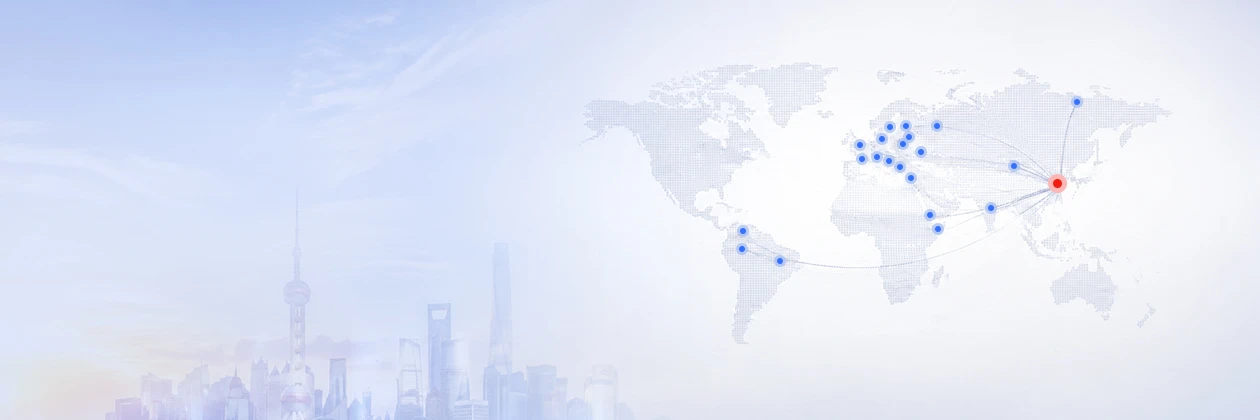
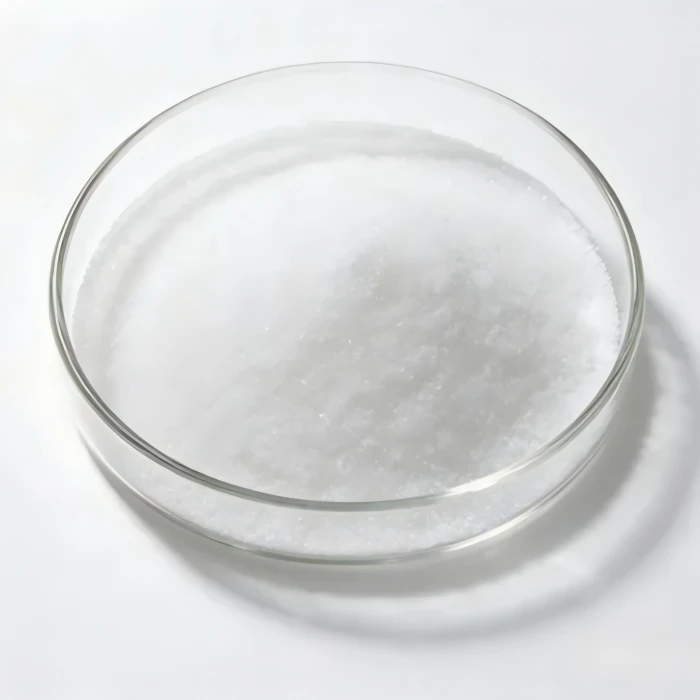
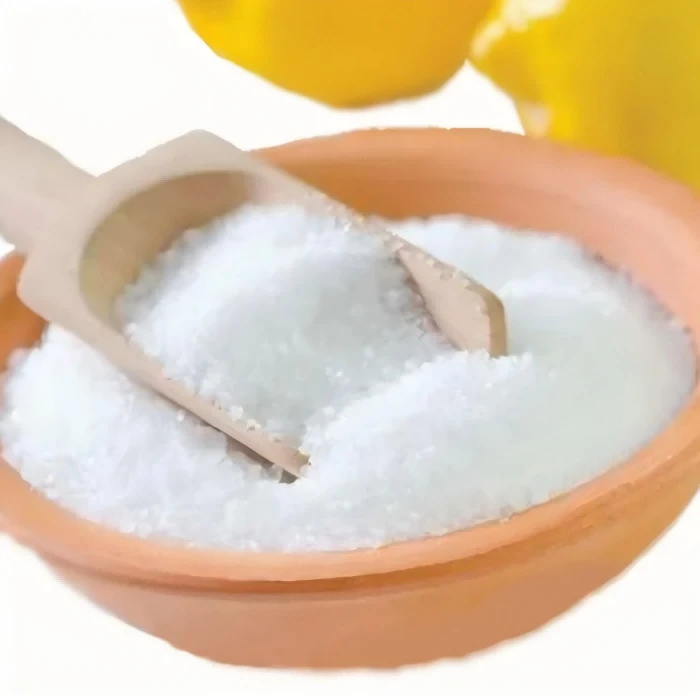
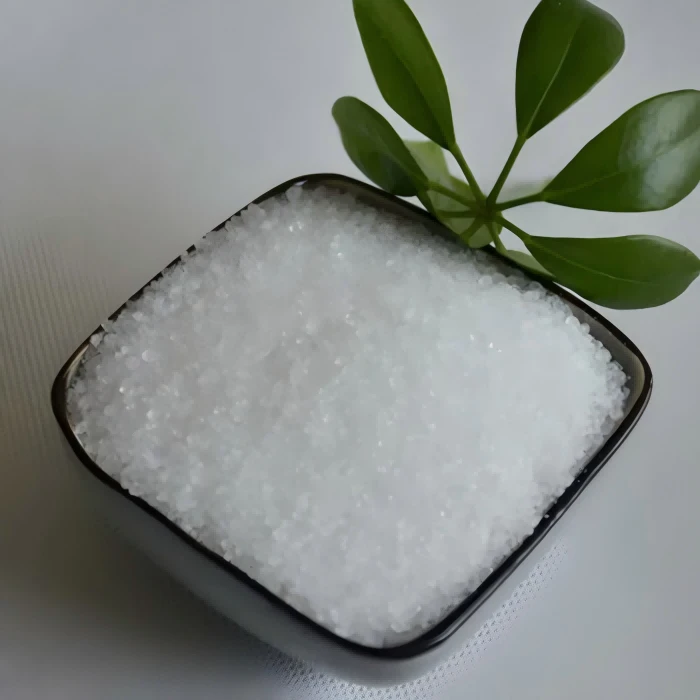
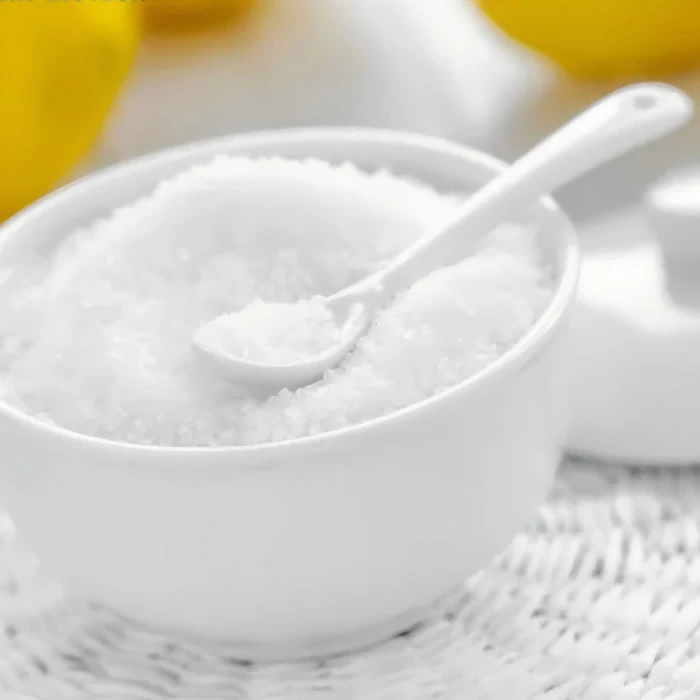
Shanghai Dingwujin Chemical Co., Ltd. is a reliable supplier of citric acid cas 77-92-9 in China. We cooperate with qualified Chinese factories and focus on chemical distribution to Central Europe, Eastern Europe and Ukraine. We welcome inquiries for wholesale and custom-spec citric acid cas 77-92-9 manufactured in China.
Our Products Grades & Purity Levels
Industrial Grade
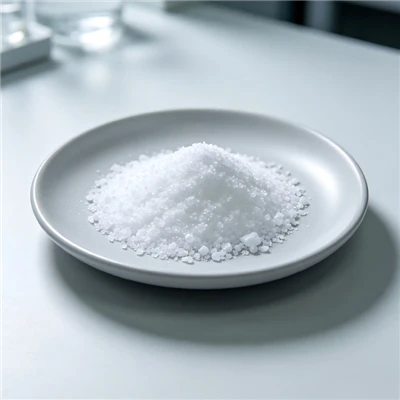
Citric acid mainly exists in two forms: citric acid monohydrate and citric acid anhydrous, with the main content typically≥ 99.5%. It is widely used in industrial applications such as metal cleaning, water treatment, textile auxiliaries, detergent building, construction materials, and flue gas desulfurization. Impurity indicators including heavy metals, oxalates, and sulfates are strictly controlled to ensure excellent chelating capability and pH buffering performance.
Hazard Category: Non-hazardous goods
Packaging Class: Standard export packaging (25 kg / 50 kg bags or jumbo bags)
Isomer Grade
The citric acid content typically ranges from 99.5% to 100.5%, strictly complying with international food safety standards including BP, USP, FCC, and E330. Heavy metals (such as lead and arsenic), ash content, and readily carbonizable substances are strictly limited, making it suitable for food and beverage applications as an acidulant, antioxidant, flavor enhancer, and preservative where high purity and safety are required.
Hazard Category: Non-hazardous goods
Packaging Class: Food-grade compliant packaging (25 kg inner PE plastic bags or jumbo bags)
Reagent Citric Acid
Citric acid is classified into different analytical grades based on impurity limits and assay specifications: Extra Pure (GR), Analytical Reagent (AR), and Chemically Pure (CP) for laboratory analysis, chemical titration standards, biochemical buffer formulation, and precision scientific research.
Hazard Category: Non-hazardous goods
Packaging Class: Laboratory-grade bottle packaging
Uses and Applications
Key applications
Buffer Agent
Food and Nutrition
Cleaning Products
Preservative
Flavouring Agent
Oil and Gas
Textile Handling
Pharmaceuticals
Cosmetic Products
Soaps and Detergents
Dietary Supplements
Industries
Beauty & Personal Care
Pharma
Cleaning
CASE & Construction
Energy Services
Water Treatment
Food & Nutrition
Animal Nutrition
Lubricants
FAQ
Q: What is the chemical identity of citric acid, and which commercial grades and standards does it comply with?
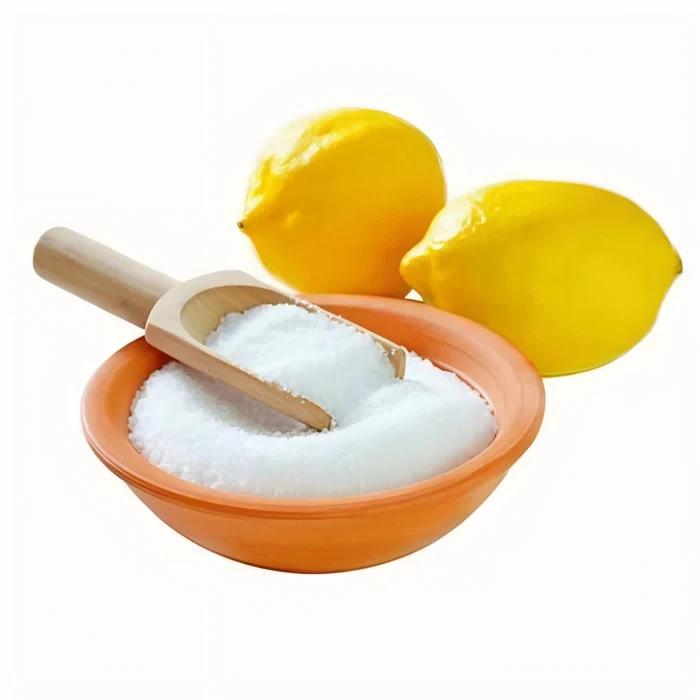
A: Citric Acid, also named 2‑hydroxypropane‑1,2,3‑tricarboxylic acid. Two main forms: Monohydrate (CAS 5949‑29‑1, molecular formula , MW 210.14) and Anhydrous (CAS 77‑92‑9, molecular formula , MW 192.12), EC 201‑069‑1. Produced by Aspergillus niger submerged fermentation. It appears as colourless or white crystals / granules, odourless with strong sour taste, freely soluble in water. Four commercial grades available: Industrial grade (cleaning agent, chelating & chemical synthesis); Feed grade (acidity regulator under FAMI‑QS); Food grade E330 complying with GB 1886.235 / FCC; Pharma excipient grade complying with current USP/BP/EP. Pharma grade applies strict control on bacterial endotoxin, heavy‑metals and oxalate impurities. Batch‑specific COA accompanies each shipment; blank spec sheets and MSDS/SDS samples are available upon inquiry.
Q: Which certifications and export qualifications do you hold, and can they pass international bid/tender audits?
A: We hold documentary qualifications with certificate numbers available for tender review: ISO 9001; ISO 22000/FSSC 22000 (food‑grade line); FAMI‑QS (feed‑grade line); pharmaceutical excipient GMP (pharma‑grade line); formal EU REACH registration; China customs importer/exporter registration with e‑port; valid export license for citric acid. We also provide a three‑year export track record (client names anonymizable), annual capacity statements, bank credit letters and third‑party factory audit reports (SGS/Intertek/BV), covering the four common tender review dimensions: qualification, capacity, track record and financial standing.
Q: How is citric acid priced, and how do long‑term contract and spot pricing mechanisms differ?
A: Citric acid prices fluctuate with upstream corn/starch feedstock and energy costs. Two pricing mechanisms apply:
(1) Long‑term contracts (quarterly / annual) adopt formula‑based cost linkage or fixed‑price with quarterly review, indexed to mainstream agricultural raw‑material indicators to stabilize both parties' budget.
(2) Spot orders are quoted per current available volume, quotation validity is 3‑7 working days as stated on quotation sheet. Quotes default to FOB Chinese ports (Qingdao / Shanghai / Tianjin); CIF/CFR/DDP terms available on request. For tender projects, locked price with explicit validity period is recommended. We can contractually guarantee price stability regardless of market swings within delivery window.
Q: Where is citric acid mainly produced in China, and what is your capacity and delivery assurance?
A: China is the world's largest citric‑acid producer, accounting for 60‑70% of global capacity with dominant Aspergillus‑niger submerged‑fermentation technology based on corn starch. Major production clusters are located in Shandong, Jiangsu, Anhui and Jilin. High‑purity food / pharma grades are manufactured in large‑scale fermentation bases in Shandong and Jiangsu. Chinese citric‑acid products are exported to more than 100 countries and regions worldwide. Supported by group fermentation production bases, we deliver hundred‑thousand‑ton annual supply across grades and multiple full‑container shipments monthly. We can issue formal Capacity & Delivery Commitment Letter with liquidated‑damage clauses for tender projects to satisfy supply‑assurance evaluation criteria.
Q: What is the standard B2B export ordering process, and how can samples be obtained?
A: The standard flow has five milestones:
(1) Inquiry - buyer specifies form (monohydrate / anhydrous), grade, particle size, quantity, destination port and end‑use;
(2) Sampling - free 500g‑2kg samples (courier collect/prepaid) with sample COA; overseas physicochemical testing normally takes 1‑2 weeks.
(3) Contracting and Payment - T/T (30% deposit +70% against B/L copy) or 100% irrevocable L/C at sight; O/A terms negotiable for annual‑framework clients.
(4) Production - standard lead‑time 7‑15 days; 15‑25 days for large FCL orders with parallel vessel booking.
(5) Inspection and Shipping - full factory QC plus optional buyer‑appointed pre‑shipment inspection (PSI); full electronic document set sent within 3 working days after customs release.
Q: What is the Minimum Order Quantity (MOQ) for international orders?
A: Citric acid is general non‑dangerous cargo with flexible container options. Standard MOQ is one 20ft FCL (approx.20‑22 tons in 25kg PE‑lined kraft composite bags). Small trial lots for food/pharma grades start at 1‑3 metric tons (logistics cost premium applies). 1000kg jumbo bags are available. Trial orders can be price‑locked together with subsequent annual contract to reduce sampling‑order cost.
Q: What packaging is used for citric acid export? Is it a dangerous good, and what are the transport and storage requirements?
A: Citric acid is not listed in Chinese dangerous‑goods catalogue and ships as general cargo by sea or air, no dangerous‑goods package certificate required. Avoid dust accumulation and direct contact with strong alkali. Standard export packaging: 25kg PE‑lined kraft composite bags; jumbo‑bags optional. Storage: cool, dry, well‑ventilated warehouse with sealed moisture‑proof conditions. Citric acid monohydrate tends to effloresce under dry air. Segregate from strong alkali and oxidizing agents. Shelf‑life 24 months under intact original packaging. Flexible shipping options: 20GP /40HQ FCL, LCL and multimodal transport; DDP door‑to‑door solutions available.
Q: What is the HS code for citric acid export from China, and which documents are required for customs declaration?
A: HS code for citric acid (monohydrate & anhydrous): 2918140000, 6‑digit international heading 2918.14 (carboxylic acids with additional oxygen function)Export license and export inspection‑quarantine are mandatory. Food‑grade and feed‑grade shipments require export inspection & quarantine with electronic record / quarantine certificate. For pharma excipient grade, Certificate of Pharmaceutical Product can be provided if destination country requires. Standard document package: commercial invoice, packing list, export contract, customs declaration with declared elements (brand, monohydrate/anhydrous, assay, particle size, end‑use, CAS No.), bill of lading. Food grade includes Health Certificate; feed grade adds FAMI‑QS supporting documentation.
Q: Which chemical regulations apply when exporting to EU, US and other markets, and how is REACH handled?
A: EU: Citric acid is REACH‑registered substance. Annual export above 1 ton requires registration via EU Only Representative (OR) or local importer. We hold valid REACH registration and supply tonnage‑coverage certificate with registration number. Food grade complies with EU E330 food‑additive specifications. US: Listed under TSCA inventory; food grade meets FCC requirements; pharma excipient can support DMF filing. Other markets: Halal/Kosher, FSSAI (India), GSO (Gulf‑region) certificates available upon request. For Türkiye, Southeast Asia, Ukraine etc., we issue destination‑language 16‑section GHS SDS and compliance declarations.
Q: What documentation suite is delivered to EU/Ukraine and similar clients?
A: Full document suite includes commercial invoice, packing list, bill of lading, certificate of origin (CO / FORM A / RCEP preferential CO), 16‑section GHS SDS (destination‑language optional), batch‑specific COA, REACH tonnage‑coverage certificate; insurance policy under CIF terms. For EU‑aligned markets such as Ukraine, packaging labels comply with GHS hazard statements. Full set of documents sent pre‑shipment electronically for pre‑clearance to reduce destination demurrage risk.
Q: How do you ensure batch‑to‑batch consistency for long‑term procurement, and do you accept third‑party inspection?
A: Three‑tier QC‑control system:
(1) Incoming raw‑material inspection (full assay & impurity testing for corn starch, fermentation strain, activated carbon and neutralizing auxiliaries);
(2) In‑process monitoring (fermentation conversion rate, filtration & decolorization, concentration‑crystallization, real‑time control for crystal form and particle‑size distribution);
(3) Finished‑goods full‑panel testing with batch‑COA (assay, moisture, light transmittance, sulphated ash, oxalate, heavy‑metals, arsenic etc., tested per national‑standard / pharmacopoeia). Retention samples kept for 6 months beyond shelf‑life. Joint third‑party re‑testing is allowed in case of disputes.
Third‑party PSI and on‑site factory inspection by SGS/Intertek/BV are fully accepted, cost allocation defined in sales contract. For tender projects, Quality Assurance Agreement annex defines rejection, return and compensation triggers.
Q: How is an after‑sales claim handled if quality issues are found upon arrival, and what are the procedures and timeframes?
A: Claim window: 30 calendar days after goods arrival at destination port (intrinsic quality‑defect within shelf‑life is not limited by this window). Procedure:
(1) Buyer submits written objection within claim window with batch‑number, comparative COA data, photo/video evidence; goods and original packaging shall be preserved for verification.
(2) We respond within 3 working days with preliminary assessment. Mutually‑accepted third‑party lab can be appointed for re‑test; re‑test report serves as final judgement basis.
(3) If liability is confirmed on our side (off‑spec, wrong shipment, packaging damage leading to caking / contamination / dampness), free resupply, replacement or refund will be activated, with re‑test and reasonable freight cost borne by us. If damage arises during transit, we assist customer to file claim against insurer or carrier. All after‑sales commitments are incorporated into sales contract and may be cited in tender documents.
Q: What after‑sales technical support is provided beyond claims handling?
A: Full‑cycle technical support includes downstream formulation guidance (beverage acidity adjustment, food preservative compounding, feed acidification, industrial cleaning & chelating formulation); grade‑selection advice (monohydrate / anhydrous selection, particle‑size matching); regulatory‑change alerts (REACH updates, E330 food‑additive regulatory revisions). Batch full‑traceability service (trace back from COA to raw‑material & fermentation lots); annual quality‑retrospective reports for client internal audit and tender documentation. Bilingual Chinese‑English support replies within 24 working hours; dedicated hotline for urgent quality incidents.
Our Add-on Services
- China to Ukraine: Sourcing. Shipping. Delivered. SEE ALL >>
- Poland Dual-Warehouse. SEE ALL >>
What We Do in Citric Acid
Citric Acid Sourcing
Ukraine Market Tender
China-Poland Customs Research
Knowledge