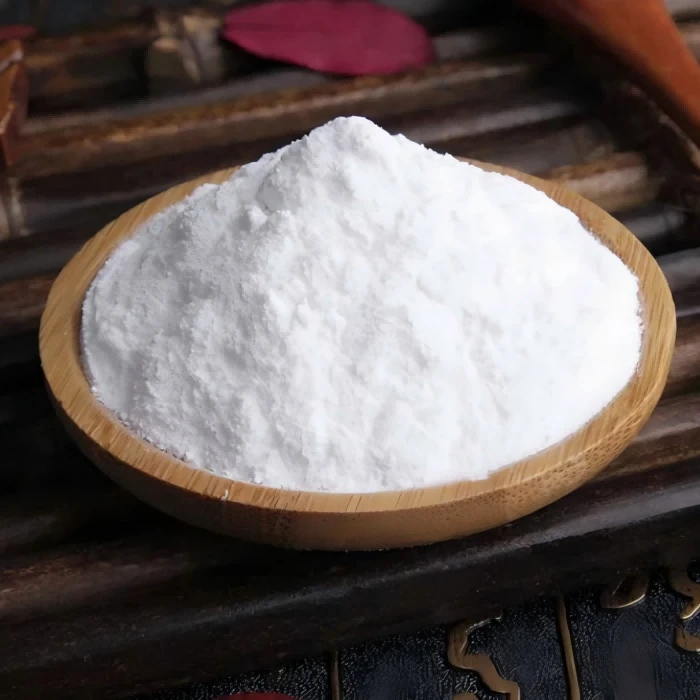
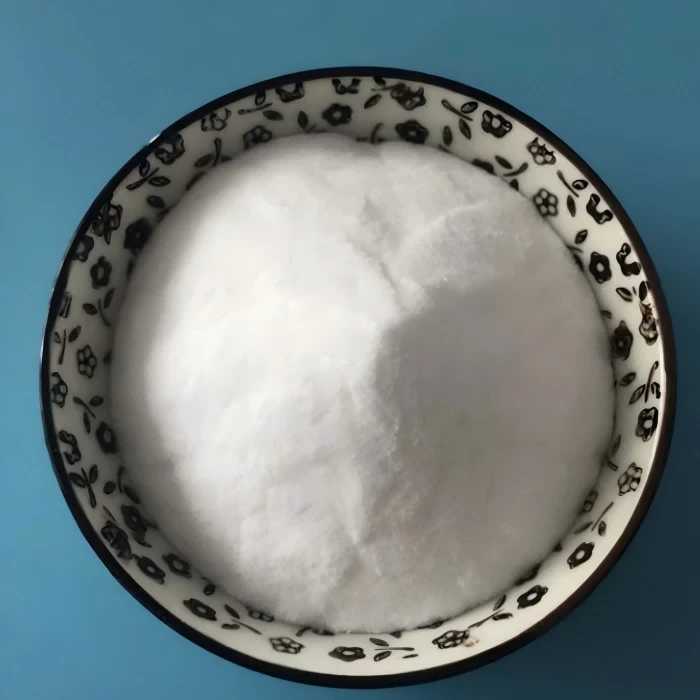
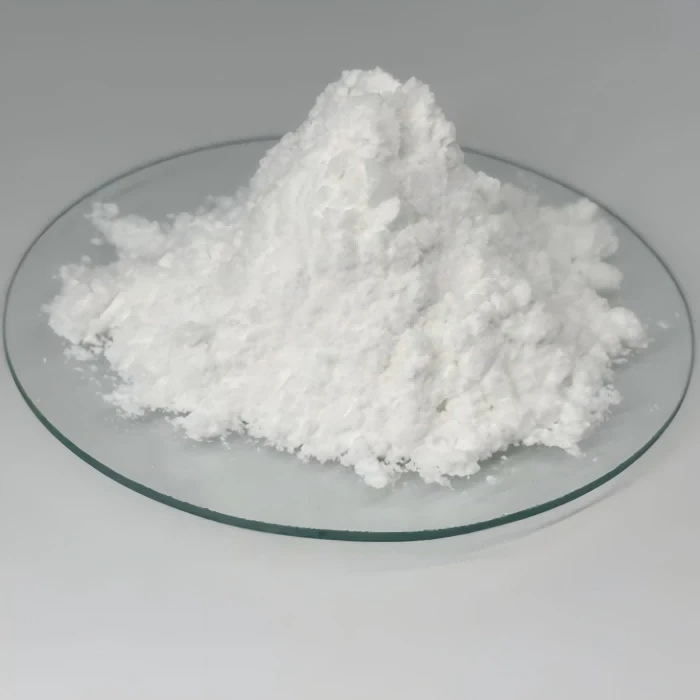
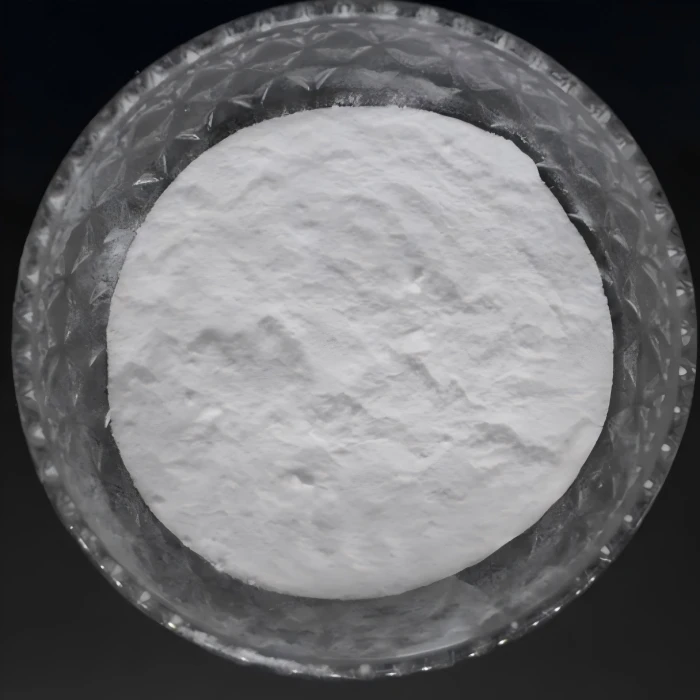
Shanghai Dingwujin Chemical Co., Ltd. is a reliable supplier of sodium bicarbonate cas 144‑55‑8 in China. We cooperate with qualified Chinese factories and focus on chemical distribution to Central Europe, Eastern Europe and Ukraine. We welcome inquiries for wholesale and custom-spec sodium bicarbonate cas 144‑55‑8 manufactured in China.
Our Products Grades & Purity Levels
Industrial Grade Sodium Bicarbonate
Application: Flue gas desulfurization for power plants.
Industrial grade, classified by application: Flue Gas Purification (Desulfurization & Deacidification) Grade
Purity:NaHCO₃ ≥ 99.50%; Na₂CO₃ ≤ 0.70%; Chlorides (as NaCl, dry basis) ≤ 0.20%; pH value (10 g/L) ≤ 8.5
Impurities:Sulfate (SO₄²⁻) ≤ 150 ppm; Water-insoluble matter ≤ 0.02%; Iron (Fe³⁺) ≤ 100 ppm; Arsenic (As) ≤ 3 ppm
Particle Size Distribution: 0.045–0.250 mm
Bulk Density: 1.00–1.25 g/cm³
Hazard Class: Non-hazardous
Packing Group: Non-dangerous goods.
Food Grade Sodium Bicarbonate
Applications:Food leavening agent, acidity regulator, foaming agent for carbonated beverages, auxiliary agent for food fermentation.
Properties:Freely soluble in water (aqueous solution is weakly alkaline, pH approx. 8.3); NaHCO₃ content ≥ 99.0% (dry basis); Arsenic (As) ≤ 1 ppm, Lead (Pb) ≤ 2 ppm, Heavy metals (as Pb) ≤ 5 ppm; Water-insoluble matter ≤ 0.02%, Sulfate (SO₄²⁻) ≤ 100 ppm, Iron (Fe) ≤ 0.002%.
Hazard Classification:Non-hazardous substance.
Packing Grade:Non-dangerous goods; Common packages: 25 kg/bag (with food-grade plastic inner liner or paper-plastic composite bag), 500 kg / 1000 kg FIBC (bulk bag).
Pharmaceutical Grade Sodium Bicarbonate
Applications:Antacid, concentrate for hemodialysis, urinary alkalinizer, pharmaceutical buffer, excipient for injection; also used for oral care, topical preparations and veterinary medicines.
Properties:Freely soluble in water (aqueous solution is weakly alkaline, pH approx. 8.3); Purity requirement: NaHCO₃ ≥ 99.0%. Impurities are strictly controlled: Sulfate (SO₄²⁻) ≤ 0.015%, Iron (Fe) ≤ 0.0005%, Heavy metals (as Pb) ≤ 0.0005%, Arsenic (As) ≤ 0.0002%. Clarity of solution and microbial limits comply with pharmacopoeial requirements.
Packaging Classification:Non-dangerous goods. Pharmaceutical-grade packaging is normally double polyethylene bags inside fibre drums (25 kg/drum), or fibre drums lined with pharmaceutical-grade plastic bags. Aseptic or low-bioburden packaging can be customised in accordance with GMP requirements.
Hazard Classification:Non-hazardous substance. Keep dry and protected from contamination; transport shall comply with pharmaceutical transportation specifications.
Uses and Applications
Key applications
- Baking
- food manufacturing
- optimizing drug efficacy
- flue gas purification
- food additive
- energy recovery
- soil improvement


Industries
- Food manufacturing and processing raw materials
- medical care
- sewage treatment
- environmental protection
- electric power
- agriculture
FAQ
Q: Can you supply sodium bicarbonate for dry flue gas purification at sludge thermal treatment plants?
A: Our industrial-grade sodium bicarbonate for flue gas purification is suitable for this dry injection desulfurization and deacidification application. Specifications: purity ≥99%, chloride ≤0.2%, sulfate ≤0.05%, water-insoluble matter ≤0.02%, arsenic ≤0.0001%. Stable supply is available.
Q: Can you supply to the markets of Central and Eastern Europe and Poland? What are the transport options? How is moisture protection handled during transit?
A: 2. Yes, we can supply to Central and Eastern Europe and Poland. We have established warehousing facilities in CEE, operating a dual-warehouse system consisting of a general chemical warehouse in Warsaw and a hazardous goods warehouse in Malaszewicze, providing chemical warehousing and local distribution services for clients across Central and Eastern Europe. Transport options: Sea freight: Cost-effective for large-volume long-term stock replenishment. Shipments depart Qingdao Port for Gdańsk and other ports; goods are warehoused upon arrival and distributed across CEE on demand. Laminated woven bags are used for moisture protection, and FIBCs are secured with ropes to prevent slipping. Land freight: Shipments travel from Qingdao to Central and Eastern Europe via China-Europe Railway Express, our primary delivery solution with reliable lead times for direct delivery to project sites across CEE. All shipments comply with ADR regulations. Moisture protection includes inner laminated woven bags, EU-standard pallets and properly secured unit loads.
Q: What is your monthly supply capacity?
A: 3.Minimum delivery of 101 metric tonnes per month.
Q: Are regional distribution partnerships available for selling sodium bicarbonate across Central and Eastern Europe?
A: 4.Yes, regional agency cooperation for Central and Eastern Europe is available. Supported by our dual-warehouse infrastructure in CEE, complete EU compliance documentation and a distribution network covering the whole of CEE, we can provide stock support, full compliance documents (including Polish-language documents, SDS, REACH files, etc.), local warehousing and regional delivery services. Detailed terms of agency cooperation can be discussed further.
Q: Can you offer competitively priced sodium bicarbonate? What are your overall pricing advantages?
A: 5.Yes. Customs data demonstrates China's pricing advantage for sodium bicarbonate. China exported 1.006 million tonnes of sodium bicarbonate in 2025 at around USD 200 per tonne, equivalent to only 40%–60% of local European ex-factory prices, with steady, substantial shipments to Central and Eastern Europe and Poland. Calculated for this Warsaw project, savings of 31%–45% can be achieved compared with local European supply. We work directly with domestic manufacturers with no intermediate markups, offering stable and competitive ex-factory prices together with fixed-price contracts to hedge against raw material price volatility. Full-chain cost advantages are realised through consolidated packaging, pre-stock via multi-route consolidation and in-house customs and compliance handling.
Q: What is the CPV code for sodium bicarbonate?
A: The CPV code is 24313320.
Q: What is the difference between synthetic sodium bicarbonate and naturally sourced sodium bicarbonate?
A: 7.Their chemical composition is identical (NaHCO₃, CAS 144-55-8); they differ only in raw material origin. Synthetic sodium bicarbonate is produced via the carbonation of soda ash, allowing precise control over particle size and purity. Naturally sourced sodium bicarbonate is refined from natural minerals. For flue-gas deacidification performance, treatment efficiency depends on the product's physical and chemical properties and is not affected by whether the material is synthetic or naturally sourced.
Q: What is the transit time and cost difference between sea freight and rail?
A: Sea freight takes 28–35 days to Polish ports, plus an additional 3–5 days for inland haulage to the warehouse. It delivers the best cost efficiency for large framework tender orders. China-Europe rail block train arrives at the Poland terminal in 14–18 days, with 2–3 days of final inland delivery. Rail transit is faster but carries a higher freight rate, making it ideal for small, urgent stock replenishment.
Q: Does the transport method affect sodium bicarbonate performance for dry flue gas deacidification?
A: No. Flue gas absorption and deacidification performance depends on particle size and specific surface area after on-site milling, not on the shipping mode. The shelf life of sodium bicarbonate is 24 months under dry storage for both sea and rail shipments.
Our Add-on Services
- China to Ukraine: Sourcing. Shipping. Delivered.SEE ALL >>
- Poland Dual-Warehouse.SEE ALL >>
What We Do in Sodium Bicarbonate
Sodium Bicarbonate Sourcing
Tender for the Polish market
Knowledge
- Sodium Bicarbonate from China for Flue Gas Deacidification in Sludge Incineration Plants in Poland
- Sodium Bicarbonate: Industrial Selection Logic
Hot Tags: sodium bicarbonate cas 144‑55‑8, China sodium bicarbonate cas 144‑55‑8 suppliers, wholesaler, distributor
Sodium Bicarbonate SDS
SAFETY DATA SHEET
Product Name: Sodium Bicarbonate (NaHCO3)
According to GB 1886.2-2015, GB/T 16483-2008, GB/T 17519-2013
Initial compilation date: 25 October 2023
SDS No.: LAKDD F2105
Revision date: 25 October 2023
Version: 1.0
SECTION 1: Identification of the Substance/Mixture and of the
Company/Undertaking
|
Item |
Details |
|
Product name |
Sodium Bicarbonate |
|
Manufacturer/Supplier |
Shanghai Dingwujin Chemical Co., Ltd. |
|
Address |
No. 12, Lane 199, Yefan Road, Yexie Town, Songjiang District, Shanghai, China |
|
Telephone |
+86 158 4002 8423 |
|
|
dwjchem@dwjchem.com |
|
Recommended use |
Industrial use: food additive, feed additive, flue gas desulfurization, rubber foaming agent, detergent builder, water treatment and pharmaceutical applications. |
|
Restrictions on use |
No other specific restrictions identified. |
Emergency telephone: China 24-hour chemical accident emergency consultation: +86 158 4002 8423
For more information, contact: Shanghai Dingwujin Chemical Co., Ltd.
SECTION 2: Hazards Identification
2.1 Emergency overview
White crystalline solid. Not a hazardous substance or mixture; non-flammable.
2.2 GHS classification
According to the General Rules for Classification and Hazard Communication of Chemicals (GB 13690-2009) and the relevant standards for classification, labeling and precautionary statements of chemicals:
• Physical hazards: Not classified.
• Health hazards: Not classified.
Skin corrosion/irritation: Not classified.
Serious eye damage/eye irritation: Not classified.
Specific target organ toxicity – repeated exposure: Not classified.
• Environmental hazards: Not classified.
2.3 Label elements
• Pictograms: None required.
• Signal word: No signal word.
• Hazard statements:
• None required (the substance/mixture is not classified as hazardous).
• Precautionary statements – Prevention:
• P260 Do not breathe dust/fume.
• P264 Wash hands thoroughly after handling.
• P270 Do not eat, drink or smoke when using this product.
• P280 Wear protective gloves/protective clothing/eye protection/face protection.
• Precautionary statements – Response:
• P304+P340 IF INHALED: Remove person to fresh air and keep comfortable for breathing.
• P312 Call a POISON CENTER/doctor if you feel unwell.
• P302+P352 IF ON SKIN: Wash with plenty of water.
• P332+P313 If skin irritation occurs: Get medical advice/attention.
• P362+P364 Take off contaminated clothing and wash it before reuse.
• P305+P351+P338 IF IN EYES: Rinse cautiously with water for several minutes. Remove contact lenses, if present and easy to do. Continue rinsing.
• P337+P313 If eye irritation persists: Get medical advice/attention.
• P301+P312 IF SWALLOWED: Call a POISON CENTER/doctor if you feel unwell.
• P330 Rinse mouth.
• P314 Get medical advice/attention if you feel unwell.
• Precautionary statements – Storage: No special requirements. Store in a cool, dry and well-ventilated place.
• Precautionary statements – Disposal: P501 Dispose of contents/container in accordance with local/national regulations.
2.4 Other information
Physical and chemical hazards: Non-flammable; no fire or explosion hazard. When heated to decomposition it emits acrid smoke and irritating fumes. Reacts with acids to form carbon dioxide.
Health hazards: Slightly hazardous in case of skin contact (irritant), eye contact (irritant), ingestion or inhalation. High concentrations of dust may cause coughing and sneezing; extremely large oral doses may cause gastrointestinal disturbances.
Environmental hazards: No information found on environmental fate or ecotoxicity.
Other hazards: No relevant information.
SECTION 3: Composition/Information on Ingredients
Substance (√) Mixture ( )
|
Component name |
CAS No. |
Weight (%) |
|
Sodium bicarbonate |
144-55-8 |
99 – 100 |
SECTION 4: First Aid Measures
If the product causes harm to human health during use, consult a physician or a professional. Specific measures are as follows:
• Inhalation: If inhaled, remove to fresh air. If not breathing, give artificial respiration. If breathing is difficult, give oxygen. Get medical attention.
• Skin contact: Wash with soap and water. Cover the irritated skin with an emollient. Get medical attention if irritation develops.
• Eye contact: Check for and remove any contact lenses. In case of contact, immediately flush eyes with plenty of water for at least 15 minutes. Get medical attention if irritation occurs.
• Ingestion: Do not induce vomiting unless directed to do so by medical personnel. Never give anything by mouth to an unconscious person. Loosen tight clothing. Get medical attention if symptoms appear.
Acute effects: Mild skin and eye irritation; coughing and sneezing from dust; gastrointestinal disturbance after very large oral doses.
Delayed effects: No relevant information.
Protection of first aiders: Use appropriate protective equipment in case of possible exposure (see Section 8).
Notes to physician: Treat symptomatically.
SECTION 5: Firefighting Measures
Suitable extinguishing media: Non-flammable product; no specific requirements. Use extinguishing media appropriate to the surrounding fire.
Unsuitable extinguishing media: None known.
Special hazards arising from the substance: Non-flammable; flash point and flammable limits are not applicable. When heated to decomposition it emits acrid smoke and irritating fumes.
5.1 Firefighting precautions and protective measures
Small fire: Use extinguishing media appropriate to the surrounding fire.
Large fire: Use extinguishing media appropriate to the surrounding fire. Move containers from the fire area if safe to do so.
Special firefighting methods: None.
Protective equipment for firefighters: Firefighters should wear self-contained breathing apparatus and protective firefighting clothing.
SECTION 6: Accidental Release Measures
6.1 Personal precautions, protective equipment and emergency procedures
Personal protective equipment: refer to Section 8.
Emergency procedures: Use appropriate tools to collect the spilled solid; avoid raising dust. Wear protective gloves, goggles and a dust respirator.
6.2 Environmental precautions
Do not allow the product to be released into the environment. Comply with local and national laws and regulations.
6.3 Methods and material for containment and cleaning up
Small spill: Use appropriate tools to put the spilled solid into a convenient waste disposal container, then clean the contaminated surface with water. Large spill: Use a shovel to collect the material into a waste disposal container and clean the surface with water. Dispose of in accordance with local and regional regulations.
SECTION 7: Handling and Storage
7.1 Handling
Do not ingest. Do not breathe dust. If ingested, seek medical advice immediately and show the container or the label. Keep away from incompatibles such as acids. Provide adequate dilution ventilation and avoid dust generation. Wear protective gloves, chemical safety goggles and clean body-covering clothing. Empty containers may retain product residues.
7.2 Storage
Conditions for safe storage: Keep container tightly closed. Keep container in a cool, well-ventilated and dry area. Stable in dry air but slowly decomposes in moist air; protect from moisture.
Incompatible materials: Acids (reacts to form carbon dioxide); moisture; monoammonium phosphate and sodium-potassium alloy (dangerous reaction).
Packaging materials: Keep in the original, tightly closed packaging.
Other information: The warehouse should be equipped with appropriate spill collection equipment and fire-fighting equipment.
SECTION 8: Exposure Controls/Personal Protection
8.1 Occupational exposure limits
|
Chemical name |
MAC (mg/m³) |
PC-TWA (mg/m³) |
PC-STEL (mg/m³) |
ACGIH TLV- TWA (mg/m³) |
|
Sodium bicarbonate (CAS: 144-55-8) |
- |
No airborne exposure limit established |
- |
No data available |
(Reference standard: GBZ 2.1-2019)
Monitoring methods: No relevant information.
Biological limit values: No relevant data.
8.2 Engineering controls
Engineering controls: No airborne exposure limits have been established. In general, dilution ventilation is a satisfactory control for this substance; if conditions of use create discomfort, a local exhaust system should be considered.
8.3 Personal protective equipment (for operators)
• Hand protection: Wear general work protective gloves.

• Eye protection: Use chemical safety goggles. Maintain an eye wash fountain and quick-drench facilities in the work area.

• Respiratory protection: Where exposure to dust or mist is apparent, a half-face dust/mist respirator may be worn; for emergencies or unknown exposure levels use a full-face positive-pressure air-supplied respirator. Air-purifying respirators do not protect in oxygen-deficient atmospheres.

• Body protection: Wear general work protective clothing; avoid skin contact and wash after contact.

General hygiene measures: Change and wash work clothes promptly; observe good personal hygiene.
SECTION 9: Physical and Chemical Properties
|
Property |
Value |
|
Appearance |
White crystalline solid (powder / granules) |
|
Colour |
White |
|
Odour |
Odourless |
|
pH |
Not available (1% solution in water) |
|
Boiling point/range |
Not available |
|
Melting point/range |
Not available (decomposes on heating) |
|
Flash point |
Not applicable |
|
Flammability/explosion limits – lower (% v/v) |
Not applicable |
|
Flammability/explosion limits – upper (% v/v) |
Not applicable |
|
Relative density |
2.159 (water = 1) |
|
Vapour pressure |
Not applicable |
|
Relative vapour density |
Not available |
|
Solubility |
Soluble in cold water; slightly soluble in alcohol. Solubility in water: 6.4–19.1 g/100 g solution at 0–100 °C |
|
n-Octanol/water partition coefficient |
Not available |
|
Auto-ignition temperature |
Not applicable |
|
Decomposition temperature |
Not available; heated to decomposition emits acrid smoke and irritating fumes |
|
Odour threshold |
Not available |
|
Evaporation rate |
Not available |
|
Viscosity |
Not applicable |
|
Particle characteristics |
Crystalline solid / powder |
|
Flammability (solid, gas) |
Non-flammable |
SECTION 10: Stability and Reactivity
Stability: The product is stable. Polymerization will not occur. Stable in dry air, but slowly decomposes in moist air.
Hazardous reactions: Reacts with acids to form carbon dioxide. Dangerous reaction with monoammonium phosphate or sodium-potassium alloy.
Conditions to avoid: Moisture and incompatible materials.
Materials to avoid: Acids, moisture, monoammonium phosphate, sodium-potassium alloy.
Hazardous decomposition products: When heated to decomposition, emits acrid smoke and irritating fumes; carbon dioxide.
SECTION 11: Toxicological Information
11.1 Toxicity data of the product
|
Component |
CAS No. |
LD₅₀/LC₅₀ |
|
Sodium bicarbonate |
144-55-8 |
Acute oral toxicity LD50: 3,360 mg/kg (mouse) |
|
Component |
CAS No. |
LD₅₀/LC₅₀ |
|
Sodium bicarbonate |
144-55-8 |
Acute toxicity (oral) LD50: 3,360 mg/kg (mouse) |
11.2 Classification of the product as a whole
|
Endpoint |
Classification |
|
Acute toxicity (oral) |
Not classified |
|
Skin corrosion/irritation |
Not classified |
|
Serious eye damage/eye irritation |
Not classified |
|
Respiratory sensitization |
Not classified |
|
Skin sensitization |
Not classified |
|
Germ cell mutagenicity |
Not classified |
|
Carcinogenicity |
Not classified |
|
Reproductive toxicity |
Not classified |
|
Specific target organ toxicity – single exposure |
Not classified |
|
Specific target organ toxicity – repeated exposure |
Not classified |
|
Aspiration hazard |
Not classified |
|
Effects on or via lactation |
Not classified |
|
Toxicokinetics, metabolism and distribution |
No data available |
|
Other health hazards |
Slightly hazardous in case of skin contact (irritant), eye contact (irritant), ingestion or inhalation. High concentrations of dust may cause coughing and sneezing; extremely large oral doses may cause gastrointestinal disturbances. Repeated or prolonged ingestion or inhalation of large amounts may cause metabolic abnormalities and sodium retention. |
SECTION 12: Ecological Information
Ecotoxicity: No information found on environmental toxicity.
Environmental fate: No information found.
Bioaccumulative potential: No information found.
Product as a whole: Not classified.
Mobility in soil: No data available.
Other adverse environmental effects: No data available.
Other information: No data available.
SECTION 13: Disposal Considerations
Disposal methods:
• Residues: Whatever cannot be saved for recovery or recycling should be managed in an appropriate and approved waste disposal facility. Dispose of container and unused contents in accordance with federal, state and local requirements.
• Contaminated containers and packaging: Containers or packaging should be sent to a licensed waste disposal facility for recycling or disposal.
Disposal precautions: Processing, use or contamination of this product may change the waste management options; state and local disposal regulations may differ from federal regulations.
SECTION 14: Transport Information
DOT / IATA / ICAO / IMO / IMDG
Proper shipping name: Not regulated (not classified as dangerous goods for transport).
|
UN No. |
Hazard class |
Subsidiary risk |
Packing group |
Marine pollutant |
EMS |
|
Not applicable |
Not applicable |
Not applicable |
Not applicable |
No |
Not applicable |
Packing marks: Not applicable.
Special precautions: Not regulated for transport. Before transport, check that packaging is complete and the load is secure; protect from moisture, sunlight, rain and high temperature. Do not mix with acids.
SECTION 15: Regulatory Information
15.1 Domestic regulations
General Rules for Classification and Hazard Communication of Chemicals (GB 13690-2009): Not classified. This product is not a hazardous chemical.
Classification and packaging of dangerous goods for transport (GB/T 15098-2008): Not applicable.
List of Dangerous Goods (GB 12268-2012): Not applicable (UN No.: not applicable; the product is not a dangerous good).
Catalogue of Hazardous Chemicals (2015 Edition): This product is not a hazardous chemical. Please comply with the Regulations on the Safe Use of Chemicals in the Workplace and other local regulations.
Law of the People's Republic of China on Work Safety: Provisions on safe production and operation, emergency handling of accidents and legal liability shall be complied with.
Law of the People's Republic of China on Prevention and Control of Occupational Diseases: Provisions on preliminary prevention, protection and management during work, and diagnosis of occupational diseases may be referenced.
Environmental Protection Law of the People's Republic of China: Comply with relevant provisions in preventing and controlling environmental pollution.
15.2 International regulations
TSCA – Toxic Substances Control Act:
|
Component name |
CAS No. |
TSCA Inventory |
|
Sodium bicarbonate |
144-55-8 |
Listed (TSCA 8(b) inventory) |
(EC) 1272/2008 Annex VI Table 3.1: Not applicable (component, classification and hazard code all not applicable).
Clean Water Act (CWA): Not applicable (reportable quantity, hazardous substance, priority pollutants and toxic pollutants all not applicable). Other classifications: DSCL (EEC) – not classified according to EU regulations; WHMIS (Canada) – not controlled.
Carcinogenicity-related regulations: Not classified by IARC; carcinogenic, mutagenic, teratogenic and developmental toxicity effects are not available. HMIS (U.S.A.): Health 1, Fire 0, Reactivity 0, Personal Protection E; NFPA: Health 1, Flammability 0, Reactivity 0. WHMIS (Canada): Not controlled; not classified according to EU regulations.
SECTION 16: Other Information
16.1 Disclaimer
The information above is provided in good faith as a guide to the appropriate precautionary handling of the material by properly trained personnel. Recipients must exercise their independent judgment in determining its appropriateness for a particular purpose; the company makes no representations or warranties, express or implied, including merchantability or fitness for a particular purpose.
16.2 References
GB 1886.2-2015, GB/T 16483-2008, GB 13690-2009, GB/T 15098-2008, GB 12268-2012, GB/T 17519-2013, GB 30000.2-2013 ~ 30000.29-2013, Catalogue of Hazardous Chemicals (2015 Edition), and other regulatory documents.
16.3 Abbreviations
GHS – Globally Harmonized System of Classification and Labelling of Chemicals;
CAS – Chemical Abstracts Service;
EINECS – European Inventory of Existing Commercial Chemical Substances;
ACGIH – American Conference of Governmental Industrial Hygienists;
OSHA – Occupational Safety and Health Administration;
IARC – International Agency for Research on Cancer;
IMO – International Maritime Organization;
IMDG – International Maritime Dangerous Goods;
IATA – International Air Transport Association;
ICAO – International Civil Aviation Organization;
TSCA – Toxic Substances Control Act;
ECHA – European Chemicals Agency;
NITE-CHRIP – Japan National Institute of Technology and Evaluation – Chemical Risk Information Platform.
16.4 Document information
|
Item |
Details |
|
Latest SDS revision date |
25 October 2023 (Revision Date of the source MSDS) |
|
SDS version |
1.0 |
|
SDS prepared by |
Shanghai Dingwujin Chemical Co., Ltd. |
|
Address |
No. 12, Lane 199, Yefan Road, Yexie Town, Songjiang District, Shanghai, China |
|
Website |
www.dwjchem.com |
|
Telephone |
+86 158 4002 8423 |
|
|
dwjchem@dwjchem.com |
Sodium Bicarbonate COA
Certificate of Analysis
|
Report No.: HT/DWJ01-054 |
|||
|
Product Name |
SODIUM BICARBONATE |
Grade |
Industry Grade |
|
Batch No. |
2026IN05022 |
Packing Size |
25kg/bag or 1000kg/bag |
|
Serial No. |
DWJ1023-09 |
Quantity (Ton) |
160.0000 |
|
CAS Number |
144-55-8 |
Issuing Date |
2026.10.21 |
|
Test Result |
|||
|
ITEM |
SPECIFICATION |
RESULT |
|
|
Total Alkali (Quality Fraction of NaHCO3, Dry Basis) (%) |
≥99.0-100.5 |
99.5 |
|
|
Loss on Ignition (%) |
≤0.2 |
0.12 |
|
|
pH (10 g/L) |
≤8.5 |
8.2 |
|
|
NaCl (Quality Fraction of NaCl, Dry Basis) (%) |
≤0.20 |
0.18 |
|
|
Iron (Fe) (%) |
≤0.002 |
0.0012 |
|
|
Water Insoluble (%) |
≤0.02 |
0.012 |
|
|
Sulfates (SO4) (%) |
≤0.05 |
0.03 |
|
|
Arsenic (As) (%) |
≤0.001 |
0.00092 |
|
|
Lead (Pb) (%) |
≤0.0005 |
0.0004 |
|
|
Calcium (Ca) (%) |
≤0.03 |
0.021 |
|
|
Clarity |
Pass the test |
Pass |
|
|
Remarks: Production Date: October 21, 2026. Expiry Date: 2 years. Particle Size: 400-600 mesh. Packing: 25 kg/bag or 1000 kg/bag. Quantity: 160 mt. Manufacturer: Weifang T&P Chemical Co., Ltd., E. of Jinhai Rd., S. of Jinguang St., Weifang City, Shandong Province, China. Tel: +86 536 5266018; E-mail: wftp@wftpchemical.com. |
|||
|
Test Conclusion: Qualified. |
|||