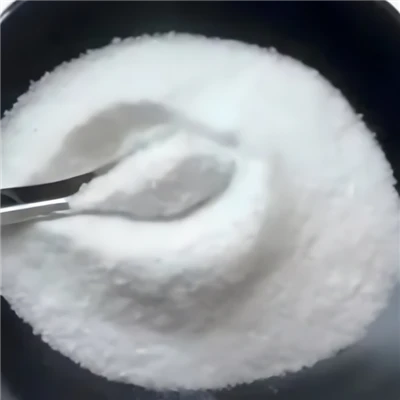
For winter road de‑icing operations, sodium chloride is the mainstream de‑icing salt. Sodium chloride is inherently hygroscopic. Once it absorbs moisture, loose salt particles will agglomerate into lumps. This not only blocks discharge from spreading equipment and reduces de‑icing efficiency, but may also cause cargo damage during sea freight, local warehousing and short‑distance transit, and even lead to acceptance disputes upon arrival. The demand window for de‑icing salt falls mainly in winter, with long preparation cycles and multiple handling stages. Moisture‑proof control must run through the whole process from factory dispatch, warehousing, transportation to on‑site application.
This document explains how to keep de‑icing salt free from caking, together with corresponding moisture‑proof control measures for each stage.
How to Prevent Caking of De‑icing Salt
Caking prevention of de‑icing salt relies on dual assurance from product formulation and process control. On one hand, the product contains standard‑compliant anti‑caking agents that form an isolating layer on salt grains to prevent them from sticking together due to moisture absorption and sustained pressure. On the other hand, full‑process moisture control blocks water vapor ingress, and proper stacking rules reduce long‑term continuous pressure on the bottom salt bags. The combination of formulation and process control ensures that the road de‑icing salt remains non‑caking during storage and circulation, keeps free‑flowing and ready for spreading at any time.
Moisture‑proof Control for Storage and Transportation
1.Storage
The warehouse is equipped with temperature and humidity monitoring systems, dehumidification and ventilation facilities to maintain stable indoor conditions. Goods are always placed on pallets, kept off the floor and away from walls, and wrapped with moisture‑proof stretch film. Moisture‑absorbing desiccants may be added as appropriate according to storage duration and ambient humidity, with regular inspection and replacement. Loading and unloading with warehouse doors wide open are prohibited during rain, snow or heavy fog. First‑in, first‑out inventory management is implemented to shorten the storage time of each batch and avoid caking caused by moisture absorption at the storage stage.
2.Packaging
Strict moisture‑proof sealing is completed before dispatch: the outer layer is tightly wrapped with high‑strength waterproof and moisture‑proof stretch film in multiple layers to effectively block ambient water vapor and rainwater penetration. Combined with the built‑in anti‑caking formulation of the salt, the packaging further lowers the risk of caking during storage and transit. Any damaged or water‑wetted packaging shall be handled promptly to stop water vapor from entering the bags.
3.Transportation
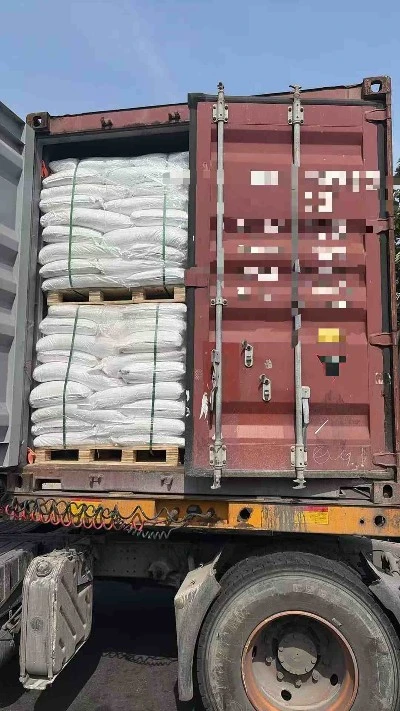
Closed vehicles covered with double‑layer moisture‑proof tarpaulins are used for warehousing and delivery to prevent wetting by rain and snow throughout transit. Short hauls from the port to the warehouse, transfers between warehouses and final deliveries maintain sealed pallet protection with stretch film to reduce the risk of re‑wetting caused by condensation from temperature differences. Loading and unloading shall avoid high‑humidity conditions such as rain, snow and heavy fog. Damaged or water‑wetted packages shall be prioritized for disposal to prevent caking from prolonged storage of damp salt.
The full set of coordinated moisture‑proof and anti‑caking controls ensures the de‑icing salt stays loose and free‑flowing from warehousing, allocation through to final delivery, reliably meeting the requirements of road de‑icing operations.