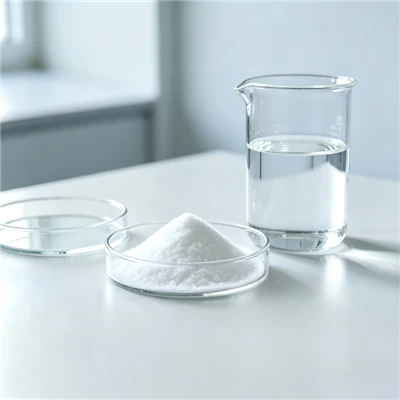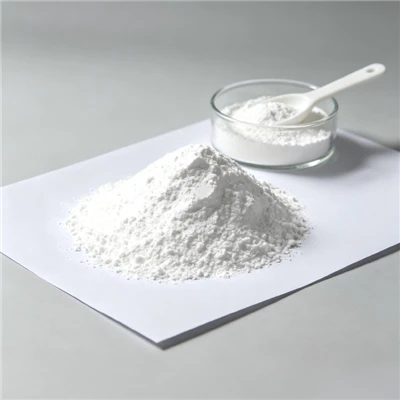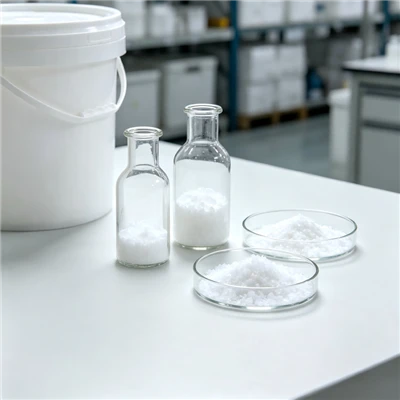

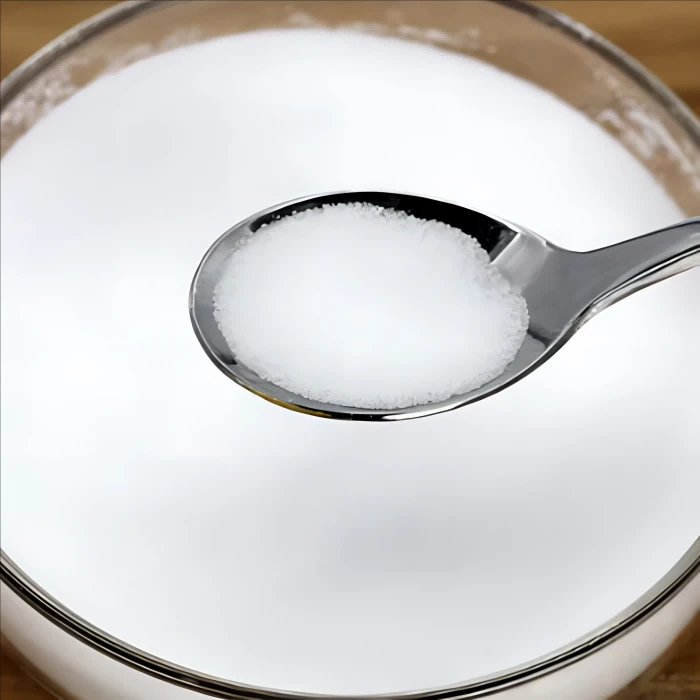
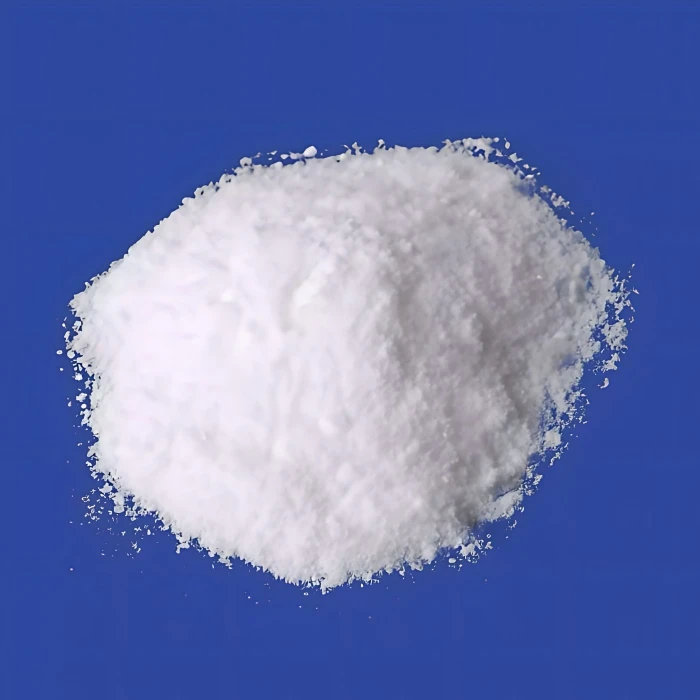
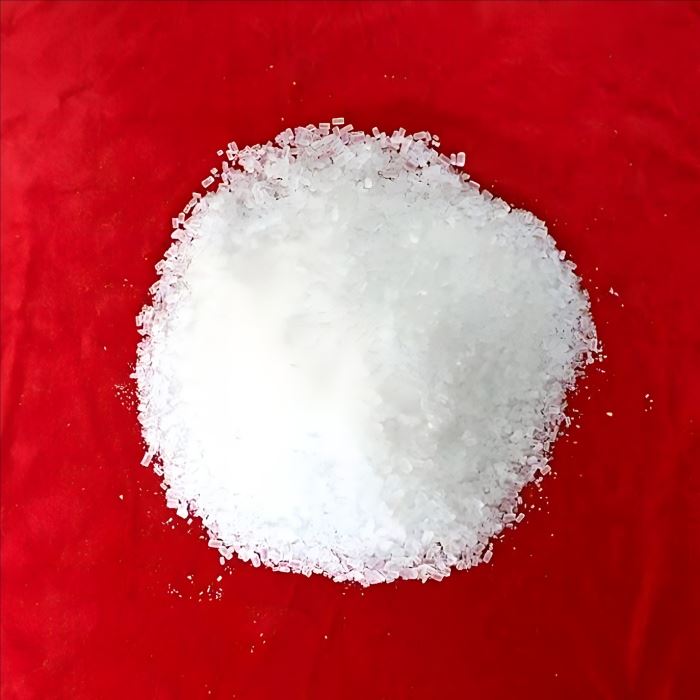
Shanghai Dingwujin Chemical Co., Ltd. is a reliable supplier of Sodium Chloride | Anti-Caking Road Salt, CAS 7647-14-5, DR Grade, PN-EN 16811-1 in China. We cooperate with qualified Chinese factories and focus on chemical distribution to Central Europe, Eastern Europe and Ukraine. We welcome inquiries for wholesale and custom-spec Sodium Chloride | Anti-Caking Road Salt, CAS 7647-14-5, DR Grade, PN-EN 16811-1 manufactured in China.
Product Overview
Our DR-Grade Industrial Sodium Chloride Road Salt is engineered for highway de-icing, municipal winter maintenance, and commercial ice control across Central Europe, Eastern Europe, and Ukraine. Manufactured in compliance with PN-EN 16811-1:2016-10 (Class M),
It is also widely applicable to municipal roads and pedestrian zones, bridges, overpasses, and ramps, brine production and pre-wetted spreading, vertical silo storage systems at highway maintenance depots, as well as ports, logistics hubs, and industrial yards.

Road Salt Particle Size Parameters
|
Parameter |
Value |
Practical significance |
|
CAS No. |
7647-14-5 |
Unique chemical identifier for the substance; used in SDS, customs declarations and procurement searches |
|
EC Number |
231-598-3 |
Substance code under EU REACH/CLP regulations; required for EU customs documentation |
|
Molecular Formula |
NaCl |
The main component is sodium chloride rock salt |
|
CPV Code |
34927100-2 |
EU public procurement code specific to road de-icing salt |
|
UN Number |
None – not dangerous goods |
Not classified as hazardous; no dangerous-goods vehicle or handling qualifications required for transport |
|
Appearance |
White crystalline granules; non-caking; free from stones, wood chips, plastics and other foreign impurities |
Ensures smooth feeding into spreader trucks; foreign matter will not damage spreading equipment; product does not cake during storage |
|
NaCl content |
≥ 90 % |
Core active de-icing component; the higher the content, the stronger the ice-melting and freezing-point-lowering effect; natural mineral impurities are permissible |
|
Potassium ferrocyanide (anti-caking agent) |
3 – 125 mg/kg |
Key anti-caking additive; below 3 mg/kg the anti-caking effect is insufficient, above 125 mg/kg is out of specification; a focus item in laboratory spot checks |
|
Moisture content |
≤ 3.0 % |
Moisture is the main cause of salt caking; controlling moisture reduces the risk of caking during storage and transport |
|
Water-insoluble matter |
≤ 8.0 % |
Controls silt and mineral residue impurities; excessive impurities leave mud on the road, block spreading equipment and accumulate in drainage systems |
|
Particle size: < 0.125 mm |
≤ 7 % |
Strict limit on ultrafine dust, reducing dust emissions during spreading and material loss from wind drift |
|
Particle size: < 0.8 mm |
5 – 35 % |
Appropriate fine fraction for rapid initial ice melting, while limiting fines to avoid moisture absorption and caking |
|
Particle size: < 1.6 mm |
10 – 60 % |
Medium particle range; penetrates cracks in the ice layer quickly after spreading and accelerates snow and ice melting |
|
Particle size: < 3.15 mm |
45 – 90 % |
Main effective working size range; excellent flowability, suitable for mechanised spreading and resistant to agglomeration and caking |
|
Particle size: < 6.3 mm |
100 %; 2% weight tolerance permitted for 6.3 – 8 mm range |
Essentially all particles are no larger than 6.3 mm; only a very small proportion may reach 8 mm; particles above 8 mm are completely prohibited to prevent scratching asphalt and jamming spreading equipment |
Applications
- During winter snow and icing conditions, this product is primarily used on major arterial routes such as highways and national roads, where it is evenly distributed by mechanical spreaders operating at 40–60 km/h in conjunction with snowplows to soften and loosen snow and ice within 15–30 minutes, rapidly exposing clear pavement to restore skid resistance and safe traffic flow.
- it is also widely applicable to municipal roads and pedestrian zones, bridges, overpasses, and ramps, brine production and pre-wetted spreading, as well as ports, logistics hubs, and industrial yards.
Transport and Delivery
|
Item |
Details |
|
Moisture-Proof Warehousing |
Our dual warehouses in Poland are equipped with temperature and humidity monitoring as well as dehumidification and ventilation systems. Throughout storage, goods are kept elevated off the floor on pallets and stacked away from walls, wrapped in moisture-proof stretch film with desiccants placed as needed. Loading and unloading with warehouse doors open during rain or snow is strictly prohibited, and a strict First-In, First-Out (FIFO) inventory policy is enforced to prevent moisture absorption and caking. |
|
Moisture-Proof Packaging |
Prior to dispatch, all products undergo rigorous moisture-proof sealing, featuring multi-layer wrapping with heavy-duty waterproof and moisture-resistant film to effectively block ambient humidity and rainwater penetration.Available in 25 kg / 50 kg / 1,000 kg jumbo bags (wrapped with heavy-duty waterproof film on pallets) or loose bulk supply. |
|
Bulk trucks tightly covered with double-layer moisture-proof tarpaulins are utilized throughout transit to strictly prevent rain exposure and dampness. |
|
|
Delivery lead time |
3–14 days from receipt of order, depending on the zone and quantity ordered. |
|
Coverage area |
Poland, Ukraine, the Czech Republic, Slovakia, Hungary, Romania, the Baltic States and neighbouring markets. |
Safety Information
This product is a general chemical.
Precautionary Statements
- Keep away from heat sources and incompatible substances: Keep away from high-temperature heat sources. Do not store or transport together with strong acids and strong oxidants to avoid chemical reactions.
- Personal protection: Operators are recommended to wear self-priming filter dust respirators, chemical safety goggles, ordinary work clothes and rubber gloves. Take precautions against irritation of respiratory tract and mucous membranes caused by high-concentration dust.
- Handling rules: Handle with care during loading and unloading to prevent package and container damage, spillage and moisture absorption.
- Hygiene control: No smoking at the workplace. Shower and change clothes after work. Maintain good personal hygiene and avoid prolonged and repeated exposure.
- Storage conditions: Store in a well-ventilated warehouse at ambient temperature in sealed packaging. Prevent moisture and rainwater (to avoid caking due to moisture absorption).
- Accident response: In case of skin or eye contact, rinse thoroughly with plenty of running water for 10–15 minutes and seek medical attention. If inhaled, remove the victim promptly to fresh air. If swallowed, rinse mouth with water and seek medical attention.
- Waste disposal: Refer to national and local regulations before disposal. Dispose of by safe landfilling in accordance with national and local regulations. Do not discharge directly into water bodies or sewers.
Quality Control & Inspection Protocol
|
Item |
Description |
|
Pre-Dispatch Batch Testing |
Multi-point sampling and sample quartering before loading. Each batch is tested for moisture content (loss on drying at 105 ± 5 °C), NaCl purity (titration method), full sieve particle size grading (0.125–6.3 mm), water-insoluble matter and anti-caking agent concentration. |
|
Accredited Third-Party Verification |
Periodic testing is performed by accredited independent laboratories in accordance with the methods specified in PN-EN 16811-1:2016-10. |
|
Full Traceability & Quality Guarantee |
Each delivery is accompanied by batch numbers, transport documents and a verified Certificate of Analysis (COA). If non-conformity is confirmed upon arrival inspection, we will promptly arrange replacement and take back the non-compliant goods at our cost. |
On-Site Troubleshooting
|
On-site problem |
Technical analysis |
Recommended handling |
|
Salt caking |
Rock salt crystals adhere to each other after absorbing moisture. High ambient humidity, uncovered piles and long stacking time accelerate caking and hamper spreading. |
1. Slight caking: break up and sieve on site; use only if particle size still meets the specification. 2. Severe caking: quarantine the batch and notify us; we arrange free replacement and collect the non-conforming material at our own cost. 3. Keep piles fully covered against rain and control stack height thereafter. |
|
Damp material / moisture above limit |
Tarpaulin damage in transit or inadequate rain protection in the store lets the salt absorb atmospheric moisture; de-icing performance drops and caking risk rises. |
1. Isolate the damp material at once and do not use it for spreading. 2. Take samples for testing; if the result fails, we replace the batch free of charge. 3. Inspect tarpaulins before every departure; keep the store covered and ventilated. |
|
Foreign impurities (stones, wood, paper, plastic) |
Contaminants enter during extraction, transfer or loading because screening and visual inspection before loading were insufficient. |
1. Remove visible impurities manually; stop unloading if the impurity level is high. 2. Take photographs and retain samples; we evaluate the batch and replace it if non-conforming. 3. We tighten screening and visual inspection before loading. |
|
Particle size out of specification |
Fluctuation of the crushing and sieving process, or excess fines / oversize grains generated by vibration during long-distance haulage. |
1. Suspend spreading of the batch and take samples for laboratory testing. 2. If it fails, we deliver a replacement within 48 hours and collect the non-conforming salt at our own cost. 3. We increase the frequency of particle-size self-inspection before dispatch. |
|
Abnormal potassium ferrocyanide (anti-caking agent) content |
Dosing deviation during production makes the anti-caking agent fall below the lower limit or exceed the upper limit. |
1. Seal the batch; it is not used for road service. 2.The test result of an accredited third-party road laboratory prevails. 3. Non-conforming batches are replaced free of charge; we recalibrate the dosing system. |
|
Poor de-icing performance |
Insufficient salt purity / low NaCl content, or spreading rate not matched to very low pavement temperature. |
1. Retain samples and test the NaCl content. 2. If the index fails, we bear the replacement. 3. We provide recommended spreading rates for low-temperature conditions. |
FAQ
Q: Should spreading rates be adjusted during freezing rain, black ice, or heavy drifting snow compared to light frost?
A: Yes. For preventive anti-icing against light frost or early black ice, lower application rates (typically 5–15 g/m²) or pre-wetted salt are sufficient. During active freezing rain or heavy snow accumulation, higher spreading rates (20–40 g/m²) combined with mechanical plowing are recommended to prevent dilution and refreezing.
Q: If our winter season ends earlier than expected, can unused stock be stored safely until the next winter without clumping?
A: Yes. Because our DR-grade salt is treated with 3–125 mg/kg of potassium ferrocyanide and dried to ≤ 3.0% moisture, unused stock can be stored through the off-season without severe caking-provided it is kept in a roofed, dry facility, stacked off damp floors, and covered with waterproof sheeting.
Q: Can regional contractors or municipal buyers place staged call-off orders against a seasonal volume rather than taking everything at once?
A: Yes. Buyers can lock in a seasonal allocation (e.g., 1,000–10,000+ MT) and schedule staged call-off deliveries as winter demand develops. This helps optimize depot space, manage cash flow, and keep fresh, free-flowing stock moving into active maintenance routes.
Q: Do you provide SDS, COA, and customs documentation for EU and Ukraine imports?
A: Yes. Every shipment is supplied with a batch-specific COA, EU-compliant SDS, commercial invoice, packing list, and certificate of origin to ensure smooth customs clearance and compliance with local road authority requirements.
Hot Tags: Sodium Chloride | Anti-Caking Road Salt, CAS 7647-14-5, DR Grade, PN-EN 16811-1, China Sodium Chloride | Anti-Caking Road Salt, CAS 7647-14-5, DR Grade, PN-EN 16811-1 suppliers, wholesaler, distributor