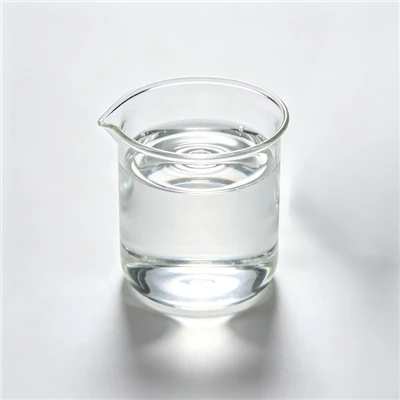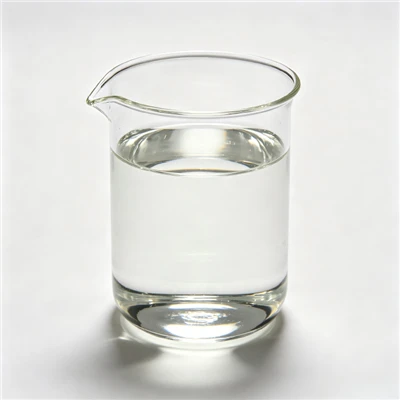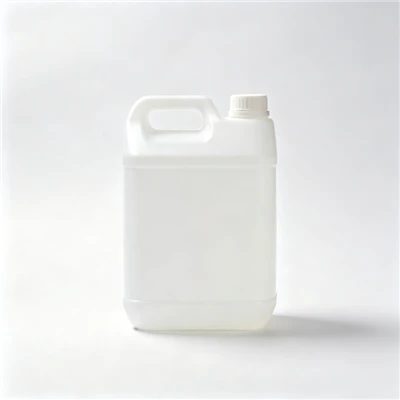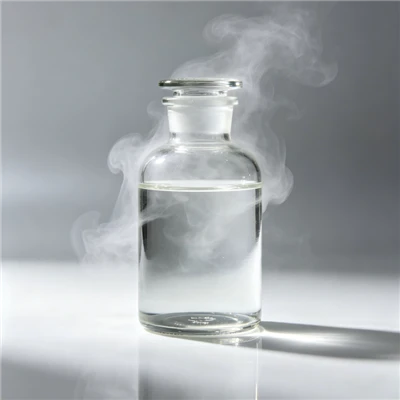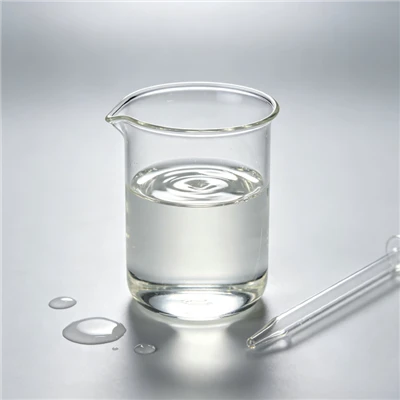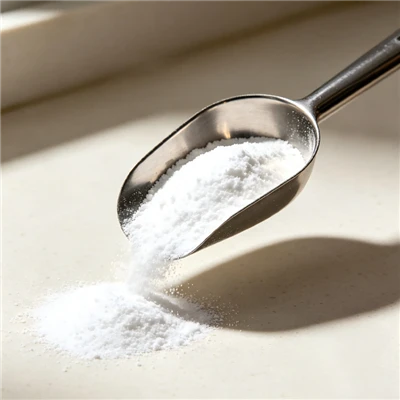
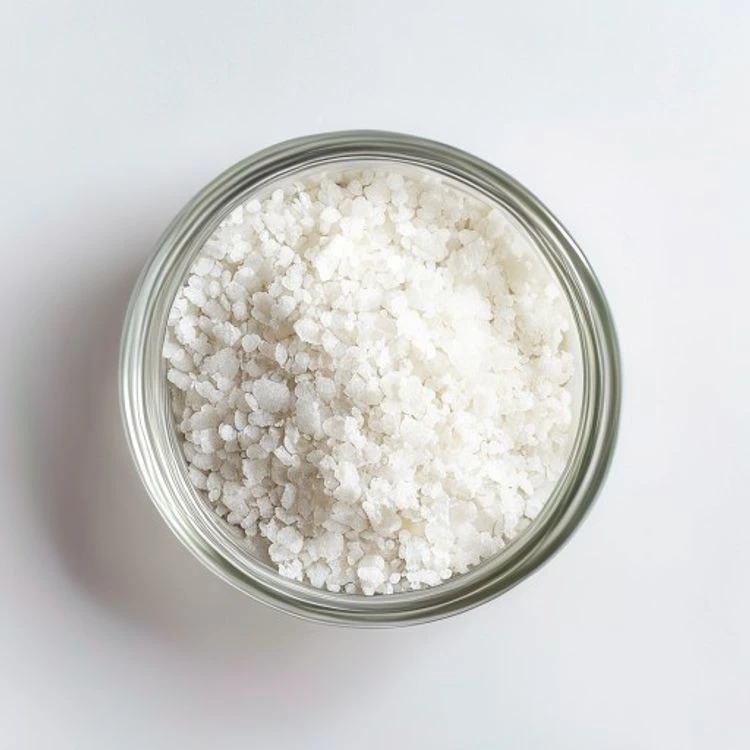

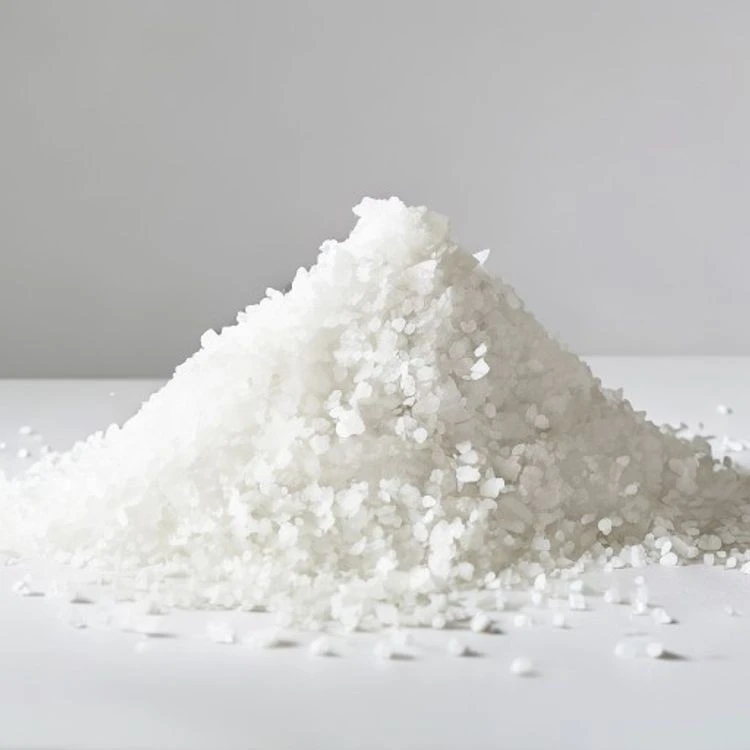

Shanghai Dingwujin Chemical Co., Ltd. is one of the leading manufacturers and suppliers of caustic soda in China. We are committed to the chemical distribution across Central & Eastern Europe and Ukraine. We warmly welcome you to wholesale customized caustic soda made in China here from our factory.
Caustic Soda
Introduction
Characteristics
|
Molar Weight |
39.9971 g/mol |
|
Melting Point |
318 °C |
|
Boiling Point |
1388 °C |
|
Density |
2.12 g/cm3 |
|
Forml |
Liquid, Solid |
Product Grades
Industrial Grade
Used in chemical industry, papermaking, printing and dyeing, with purity generally ranging from 95% to 99%.
Food Grade
Used in food processing (e.g., peeling, cleaning), with extremely strict limits on heavy metals.
Reagent Grade
Used in laboratory scientific research, available in grades such as guaranteed reagent and analytical reagent.
Uses and Applications
Key applications
- Water Treatment
- Cleaning Products
- Oilseed Extraction
- Oil and Gas
- Pulp and Paper
- Textile Handling
- Household Industrial
- Soaps and Detergents
- Bleaching Agent
Industries
- Agriculture
- Beauty & Personal Care
- Food & Nutrition
- Cleaning
- Pharma
- Polymers
- Pulp & Paper
- Mining
- CASE & Construction
- Energy Services
- Water Treatment
- Animal Nutrition
- Lubricants
- Chemical Processing
- Rubber
Caustic Soda Used in the Paper Industry
Caustic soda is used in pulp production. It can dissolve the lignin in wood, separate out the cellulose, and produce high-quality paper.


Caustic Soda Used in the Textile Printing and Dyeing Industry
Caustic soda is used as a desizing agent, scouring agent, and mercerizing agent for cotton fabrics. It removes grease and wax from the fiber surface, enhances fabric luster, and improves dyeing properties.
Caustic Soda Used in the Chemical Manufacturing Industry
Caustic soda is used as a basic raw material in the production of chemicals such as borax, sodium cyanide, formic acid, oxalic acid, phenol, soap, and synthetic detergents.


Caustic Soda Used in the Petroleum Industry
Caustic soda removes acidic impurities and sulfides from petroleum products, improving oil quality, and is also used in oilfield drilling muds.
Caustic Soda Used in the Metalworking Industry
Caustic soda is used in the digestion of bauxite for alumina production, as well as in the surface treatment and electroplating cleaning of metals such as zinc and copper.


Caustic Soda Used in the Water Treatment Industry
Caustic soda is used to neutralize acidic wastewater and adjust pH levels, as well as to precipitate heavy metal ions such as lead and cadmium, thereby meeting environmental discharge standards.
Caustic Soda Used in the Food Industry
Food-grade caustic soda is used as an acid neutralizer and as a peeling agent for fruits such as citrus and peaches. It is also used in olive debittering and cocoa processing.


Caustic Soda Used in the Household Use
Strong cleaning agents contain caustic soda as an active ingredient, which can break down grease and stubborn stains. It is used for unclogging drains and cleaning ovens and stovetops.
Caustic Soda Used in the Cosmetic Industry
Sodium hydroxide is not employed as a direct active ingredient in cosmetic formulations. Instead, it serves as a saponification agent, reacting with fatty acids through neutralization to produce soap bases (surfactants). This process is mainly utilized in cleansing products, including soap-based facial cleansers. Following the completion of the reaction, sodium hydroxide is no longer present in its free form.


Caustic Soda Used in the the Pharmaceutical Industry
Caustic soda (sodium hydroxide) is not used as a direct therapeutic agent. In the pharmaceutical and medical fields, it is mainly employed as a pharmaceutical excipient (pH regulator), laboratory reagent, instrument disinfectant, and as a topical cauterizing agent for specific skin lesions. Oral administration is strictly prohibited, and direct contact with healthy tissues must be avoided.
Caustic Soda Used in the the Laboratory
● Gas drying: Utilizes strong hygroscopicity to dry neutral or alkaline gases such as hydrogen and ammonia; not suitable for acidic gases.
● Absorption & purification: Absorbs small amounts of CO2 and moisture, or removes acidic impurities from gas streams.
● Chemical analysis: Used to prepare standard alkaline solutions; serves as a neutralizing agent, precipitant, chromogenic reagent, and catalyst.